


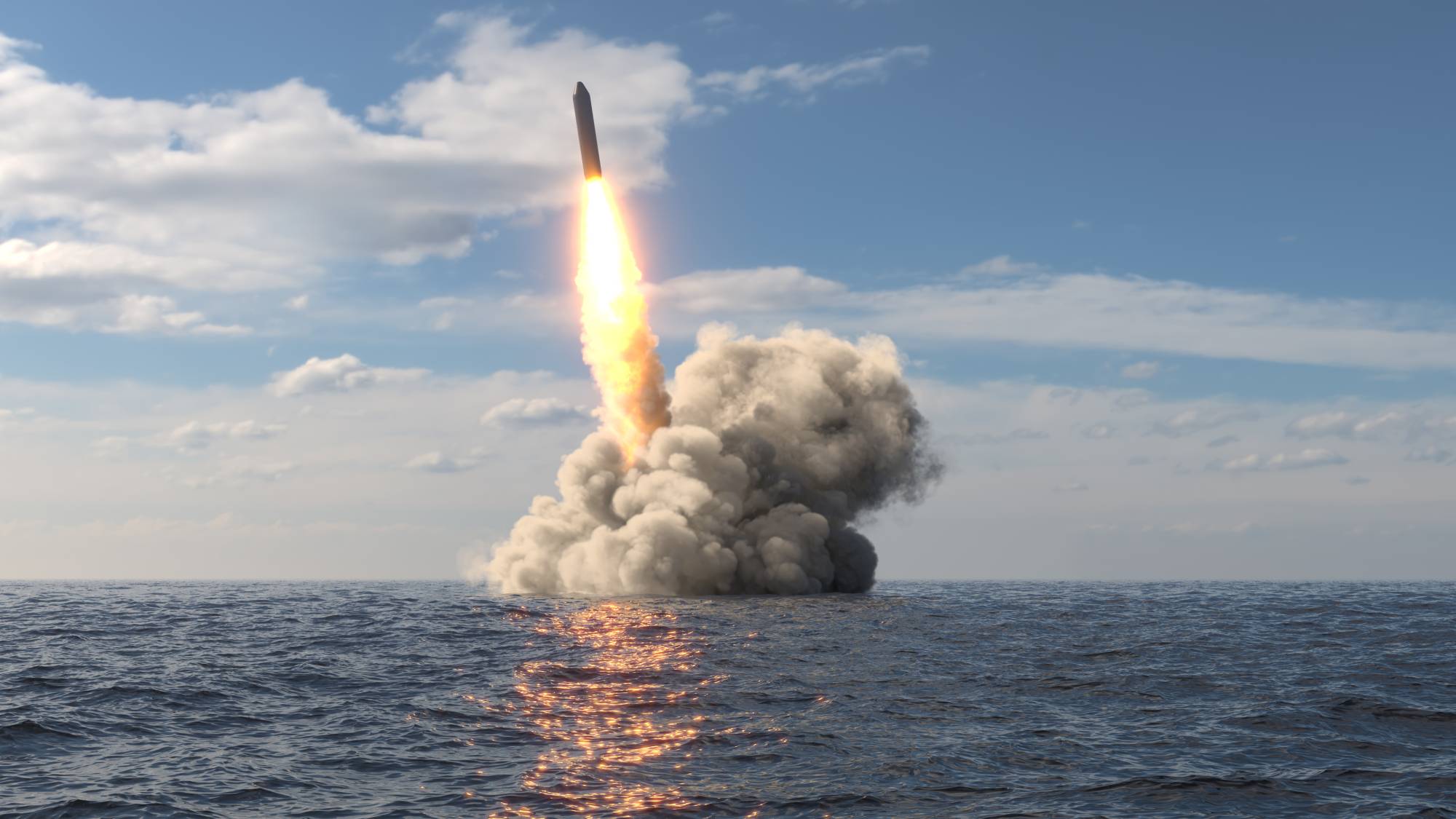
As Russian officials threaten to use nuclear weapons as the invasion of Ukraine founders, the West is focused with unprecedented intensity and urgency on how to both deter and respond to nuclear use.
There has been considerable attention to the first; much less to the second.
After nuclear use, there is an instinctive inclination to argue for a response in kind: retaliation, or a nuclear “eye for an eye,” so to speak. While understandable, this is neither U.S. policy nor necessary. The United States and its allies have a vast array of capabilities, some nuclear, some conventional, some “other,” with which they can respond to a nuclear threat or use.
These options should be able to protect the U.S. and those partners, maintain the cohesion of their partnerships and achieve their objectives. If they don’t, an assured nuclear response is unlikely to work either.
The possibility of nuclear use has hung over the Ukraine conflict since it began. In March, Kremlin spokesman Dmitri Peskov warned (in English) that Russia would consider using its nuclear weapons if it felt there was “an existential threat for our country.” Battlefield reversals and victories by Ukrainian forces have made that threat more plausible.
KEYWORDS
In a time of both misinformation and too much information, quality journalism is more crucial than ever.
By subscribing, you can help us get the story right.
With your current subscription plan you can comment on stories. However, before writing your first comment, please create a display name in the Profile section of your subscriber account page.