


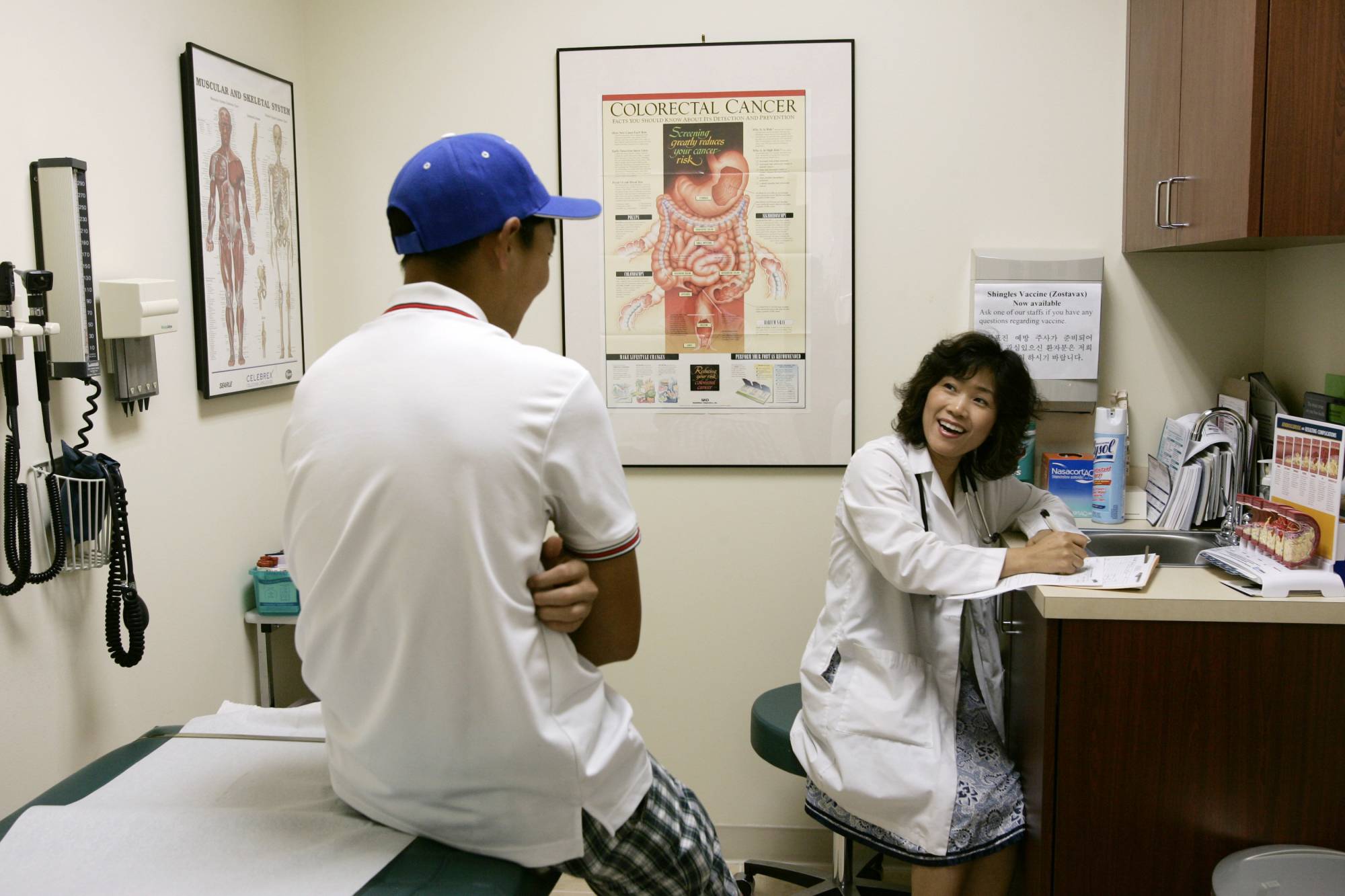
Many people in the U.S. may now be thinking that they’ve received a blessed reprieve from a middle age rite of passage: the colonoscopy.
After all, a large study just made headlines for suggesting the procedure isn’t nearly as effective at lowering the risk of colon cancer as previously thought. Worse, it didn’t seem to have any impact on lowering the risk of dying from the disease.
But no one should cancel their colon cancer screen.
The trial was important and well run, but it would be a mistake to take it as an indictment of the colonoscopy. Rather, the study should reinforce the need to closely compare the real-world risks and benefits of preventative testing — and serve as a reminder that those benefits might look less impressive as the overall population gets healthier.
The study, published recently in the New England Journal of Medicine, involved nearly 85,000 people in Norway, Poland and Sweden, who were randomly assigned to be invited to get a colonoscopy or to not be offered one. That might sound odd, and we’ll come back to that idea of an invitation, because it’s critical to interpreting the results. The volunteers were then followed for a decade to see if a colonoscopy lowered their risk of getting cancer and dying from it.
In a time of both misinformation and too much information, quality journalism is more crucial than ever.
By subscribing, you can help us get the story right.
With your current subscription plan you can comment on stories. However, before writing your first comment, please create a display name in the Profile section of your subscriber account page.