


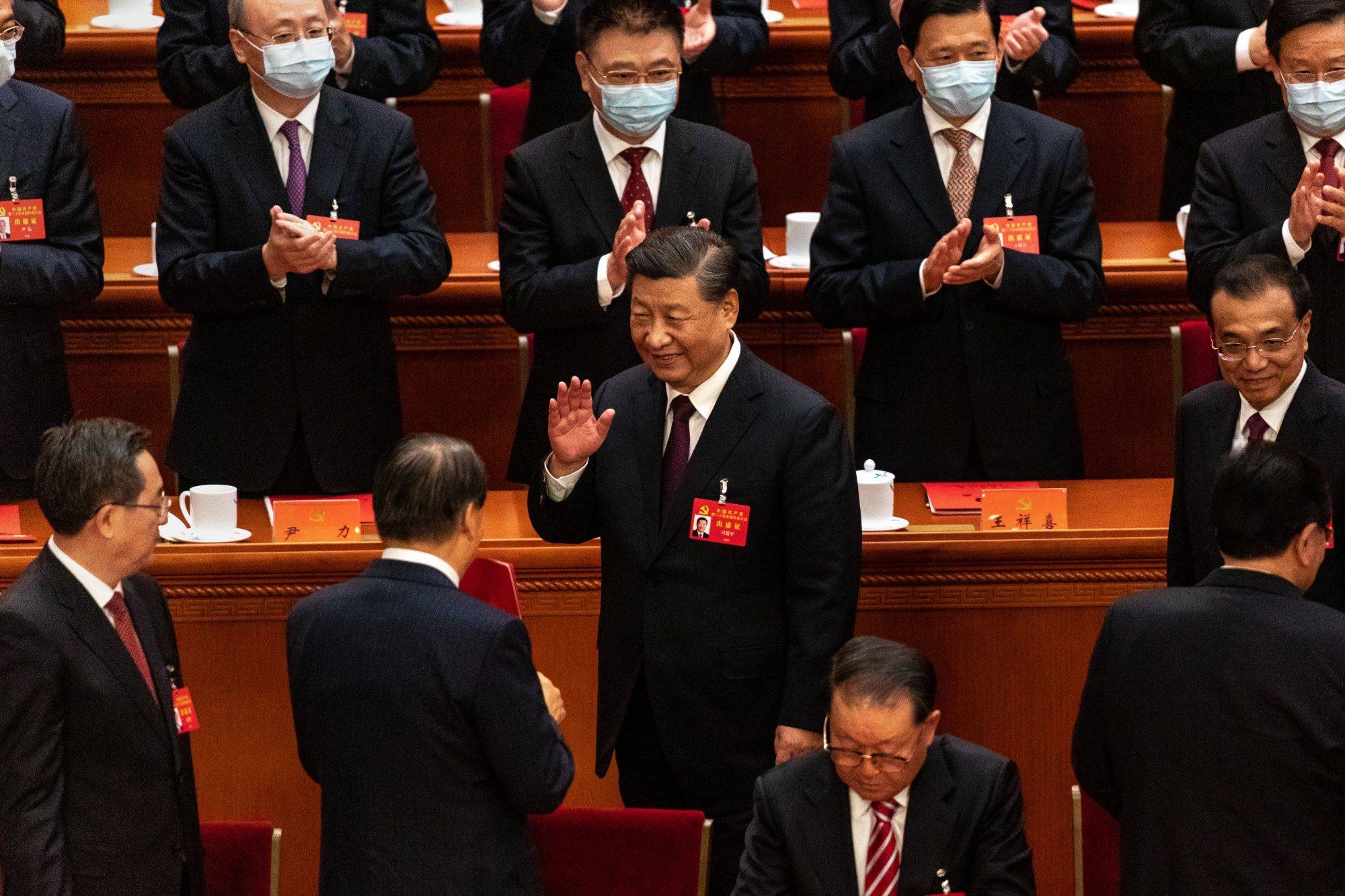
There was some suspense and a little drama, but the 20th Congress of the Chinese Communist Party (CPC), which was held last week, concluded very much as anticipated.
Xi Jinping secured his third term as general secretary, and having purged the leadership of all opposition and surrounded himself with loyalists, has emerged as the supreme leader, both literally and metaphorically.
Xi has been consolidating power for years, eliminating adversaries as well as other checks on his authority. Xi Jinping thought has been enshrined in the constitution. He has shifted power away from ministries and agencies to small leading groups that he often heads.
It is impossible to say how this will end, but the past bodes ill. China was never a democracy, but this concentration of power will cloud decision-making and compound mistakes. It threatens the human rights of the Chinese people, even though many of them back the visions of status and influence that animate Xi and his supporters.
Xi was given a third term as general secretary of the CPC, a move that was universally anticipated after the constitution was amended a few years ago to allow for his ascension. That changed the norm established by Deng Xiaoping to preclude the one-man rule and cult of personality that Mao Zedong personified. It is now expected that Xi will rule for life, restoring the unpredictability and potential instability that is inherent in such political systems.
KEYWORDS
In a time of both misinformation and too much information, quality journalism is more crucial than ever.
By subscribing, you can help us get the story right.
With your current subscription plan you can comment on stories. However, before writing your first comment, please create a display name in the Profile section of your subscriber account page.