


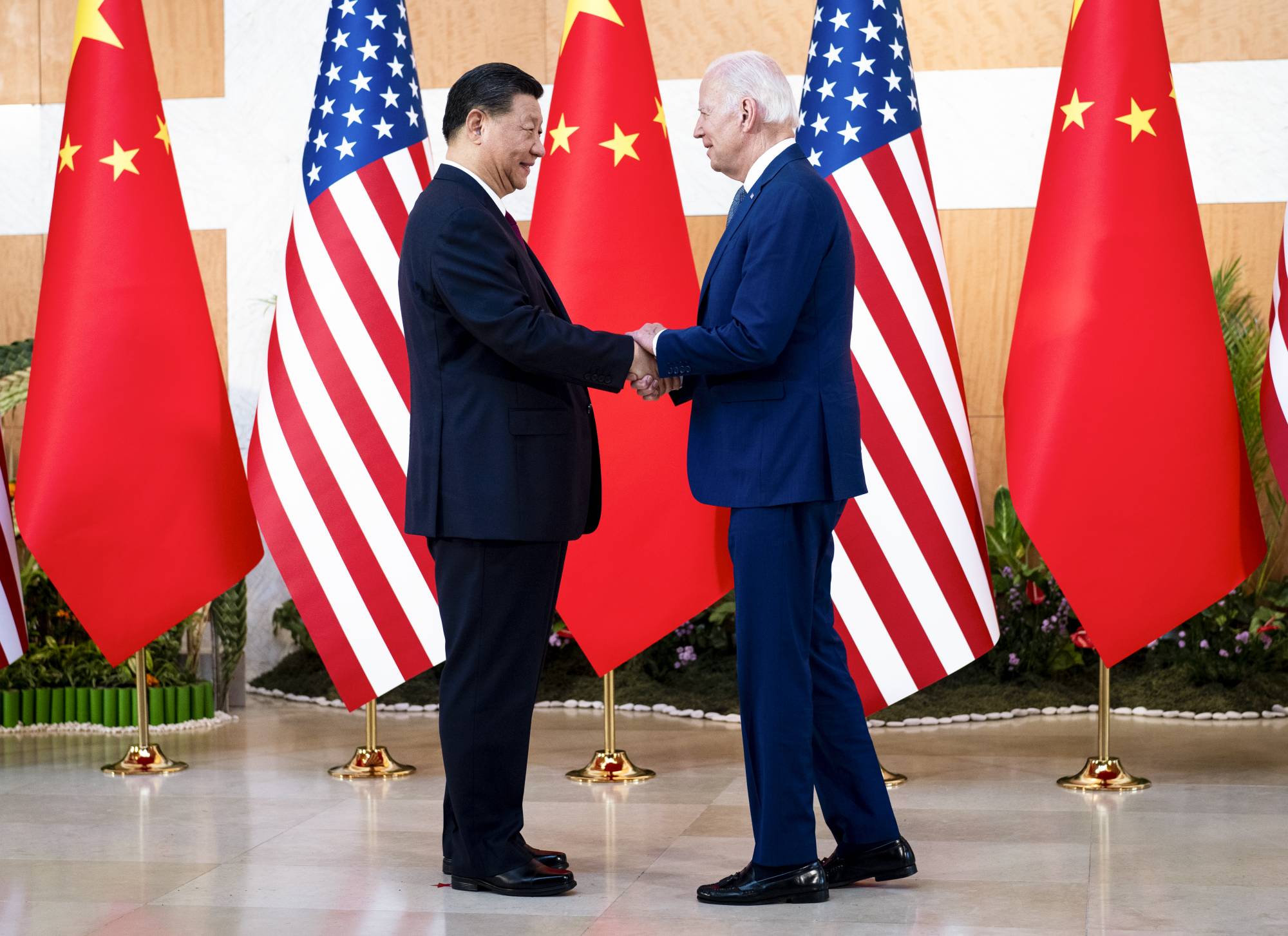
HONG KONG – November was an extraordinary month. Global leaders gathered for four major meetings: the Association of Southeast Asian Nations meeting in Cambodia, the Group of 20 summit in Indonesia, the Asia-Pacific Economic Cooperation forum in Thailand and the United Nations Climate Change Conference in Egypt.
What was striking wasn’t the timing of the meetings, but rather the evidence they produced that the tide might be turning away from confrontation toward renewed cooperation in the international arena.
In recent years, the global economy has appeared to be drifting away from multilateral engagement and collaboration, toward nationalism-fueled competition. Some — particularly emerging economies — attempted to resist this trend, such as by refusing to back Western sanctions on Russia. But such efforts appeared to have had minimal impact.
As numerous observers have noted, a complete reversal of globalization would be virtually impossible. According to research by the McKinsey Global Institute, no region, let alone country, is close to being self-sufficient. But that has not stopped some countries and leaders — in particular, the United States — from pursuing it. And even the partial deglobalization they have brought about would have far-reaching consequences, some of which — such as increased inflation and heightened debt risk — are already becoming apparent.
The growing damage caused by the shift toward deglobalization has lately amplified resistance to economic fragmentation and polarization. Europe is a case in point. Russia’s invasion of Ukraine bolstered the trans-Atlantic alliance, owing not least to American and European alignment on sanctions against Russia. But European leaders are beginning to express discomfort with America’s approach to China, which, as French President Emmanuel Macron has pointed out, risks dividing the world into competing blocs.
KEYWORDS
In a time of both misinformation and too much information, quality journalism is more crucial than ever.
By subscribing, you can help us get the story right.
With your current subscription plan you can comment on stories. However, before writing your first comment, please create a display name in the Profile section of your subscriber account page.