


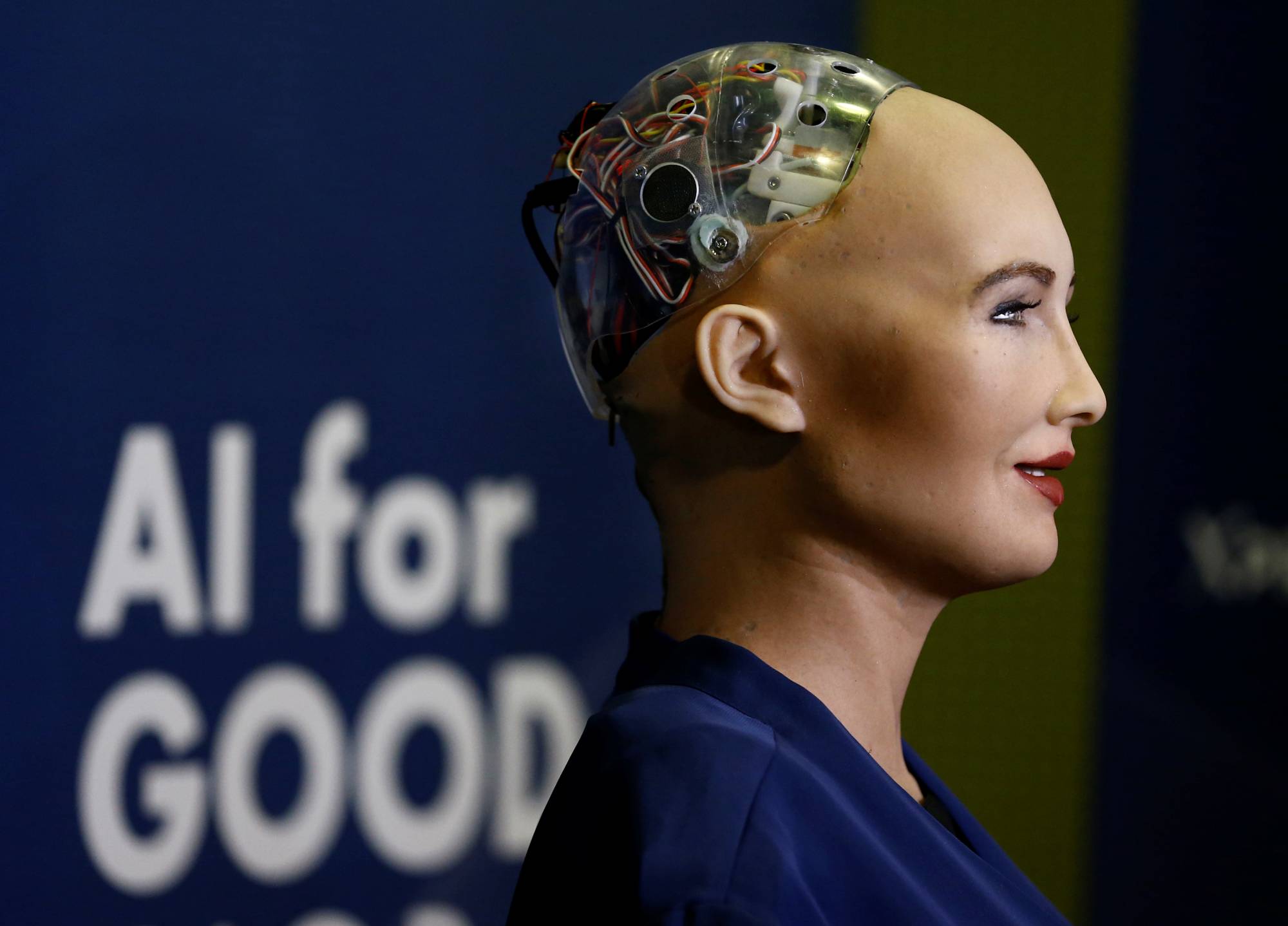
Artificial intelligence has been moving so fast that even the scientists are finding it hard to keep up.
In the past year, machine learning algorithms have started to generate rudimentary movies and stunning fake photographs. They’re even writing code. In the future, we’ll probably look back on 2022 as the year AI shifted from processing information to creating content as well as many humans.
But what if we also look back on it as the year AI took a step towards the destruction of the human species? As hyperbolic and ridiculous as that sounds, public figures from Bill Gates, Elon Musk, Stephen Hawking and going right back to Alan Turing, have expressed concerns about the fate of humans in a world where machines surpass them in intelligence, with Musk saying AI was becoming more dangerous than nuclear warheads.
After all, humans don’t treat less-intelligent species particularly well, so who’s to say that computers, trained ubiquitously on data that reflects all the facets of human behavior, won’t “place their goals ahead of ours” as legendary computer scientist Marvin Minsky once warned.
Refreshingly, there’s some good news. More scientists are seeking to make deep learning systems more transparent and measurable. That momentum mustn’t stop. As these programs become ever more influential in financial markets, social media and supply chains, technology firms will need to start prioritizing AI safety over capability.
In a time of both misinformation and too much information, quality journalism is more crucial than ever.
By subscribing, you can help us get the story right.
With your current subscription plan you can comment on stories. However, before writing your first comment, please create a display name in the Profile section of your subscriber account page.