


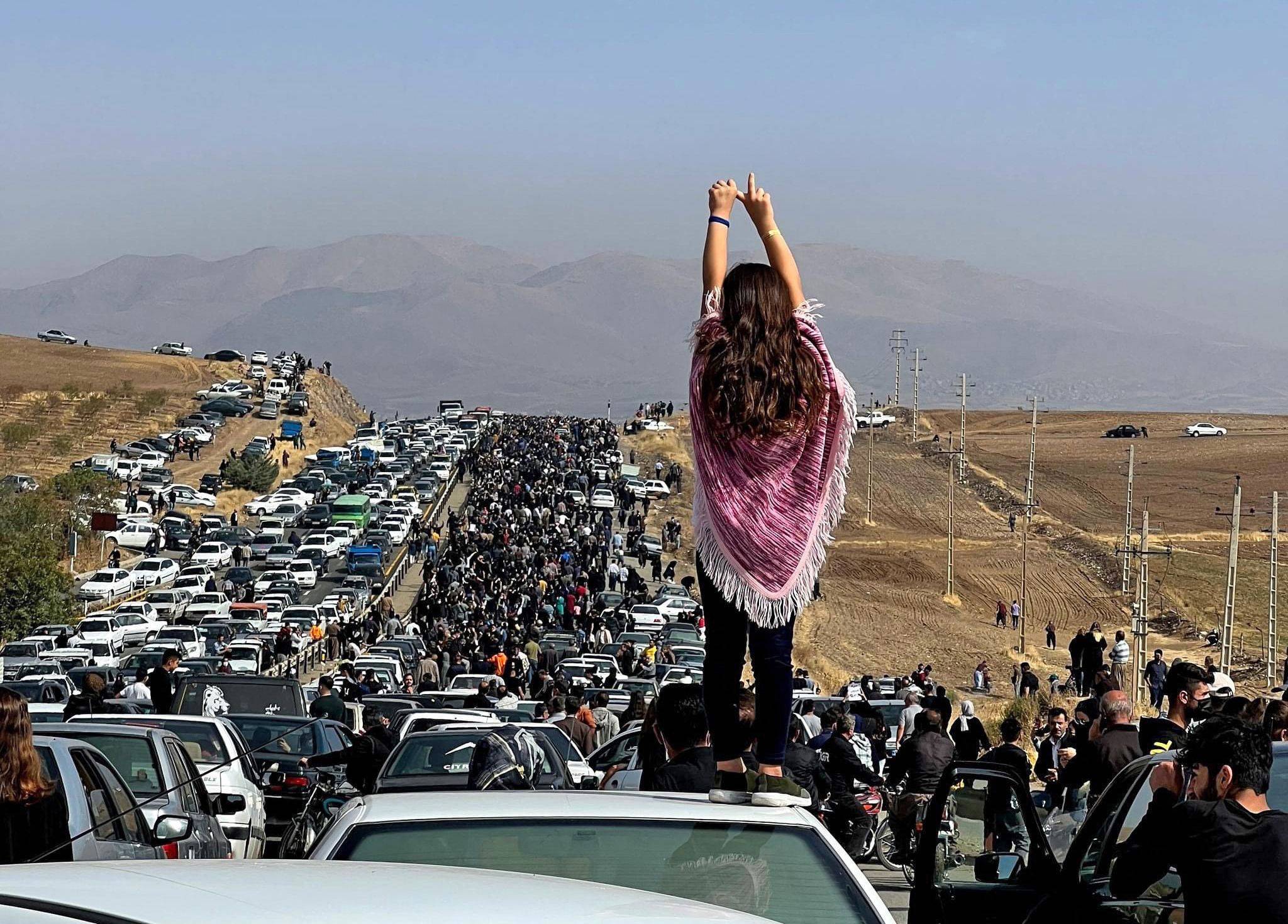
BLACKSBURG, VIRGINIA – The massive public protests that have raged across Iran since 22-year-old Mahsa Amini died in the custody of the morality police in September arrived at the World Cup.
Ahead of its 6-2 loss to England last month, the Iranian team refused to sing the Islamic Republic’s national anthem, with some activists in attendance waving protest signs and booing the team for not quitting the tournament altogether in a show of solidarity toward the hundreds of young Iranians killed during the past 10 weeks.
Football is by far Iran’s favorite sport. So, for Iranians to turn against their national team, especially one that had topped the Asian qualifiers, speaks to the deep wound that the protests have etched on the country’s psyche. As the movement has grown and protests spread from Tehran to the provinces, protesters have broadened their demands. Their call for an end to harassment by the morality police soon hardened into chants of “death to the dictator,” referring to 83-year-old Supreme Leader Ayatollah Ali Khamenei.
To be sure, this crisis does not appear to threaten the regime’s survival. The protesters lack the means to overthrow the government and the leadership is unlikely to splinter. Fortunately for the regime, its external enemies are helping it keep its different factions united. Saudi Arabia’s Crown Prince Mohammed bin Salman and Israel’s former and likely future prime minister, Binyamin Netanyahu, both supporters of the protests, are probably the two most reviled figures in Iran. And the United States has a poor record of fostering regime change in Afghanistan, Iraq, Libya and Syria, leaving behind failed or deeply destabilized states.
But the Islamic Republic’s harsh crackdown on protesters has severed the government’s ties to several generations of Iranians, not only young people. Their parents’ generation had been largely loyal to the revolution; in their own youth, middle-aged Iranians sought to reform the system from within rather than overthrow it. They elected politicians who promised not just material benefits but also greater tolerance toward different lifestyles.
KEYWORDS
In a time of both misinformation and too much information, quality journalism is more crucial than ever.
By subscribing, you can help us get the story right.
With your current subscription plan you can comment on stories. However, before writing your first comment, please create a display name in the Profile section of your subscriber account page.