


No one sells the future more masterfully than the tech industry.
According to its proponents, we will all live in the “metaverse,” build our financial infrastructure on “web3” and power our lives with “artificial intelligence.” All three of these terms are mirages that have raked in billions of dollars, despite bite back by reality.
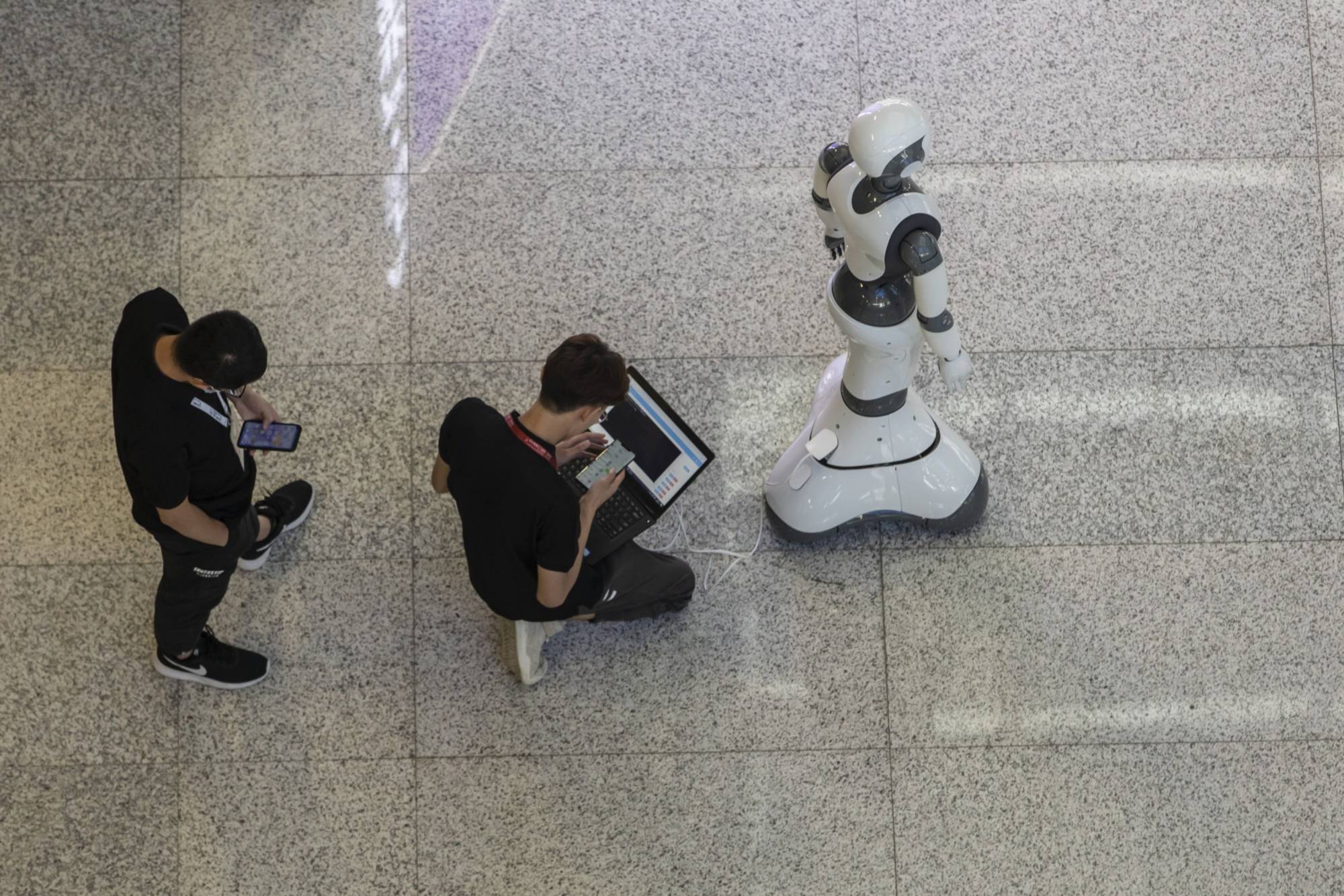
Artificial intelligence in particular conjures the notion of thinking machines. But no machine can think and no software is truly intelligent. The phrase alone may be one of the most successful marketing terms of all time.
Just recently, OpenAI announced GPT-4, a major upgrade to the technology underpinning ChatGPT. The system sounds even more humanlike than its predecessor, naturally reinforcing notions of its intelligence. But GPT-4 and other large language models like it are simply mirroring databases of text — close to a trillion words for the previous model — whose scale is difficult to contemplate. Helped along by an army of humans reprograming it with corrections, the models glom words together based on probability. That is not intelligence.
These systems are trained to generate text that sounds plausible, yet they are marketed as new oracles of knowledge that can be plugged into search engines. That is foolhardy when GPT-4 continues to make errors and it was only a few weeks ago that Microsoft and Alphabet’s Google both suffered embarrassing demos in which their new search engines glitched on facts.
With your current subscription plan you can comment on stories. However, before writing your first comment, please create a display name in the Profile section of your subscriber account page.