


NEW HAVEN, Connecticut – Now that the falsehoods and obfuscation of climate denialism have finally been silenced, addressing climate change has become the world’s top priority.
But time is running out and the International Monetary Fund warns that any further delays on implementing policies to mitigate global warming will only add to the economic cost of the transition to a low-emissions economy. Worse, we still lack a concrete, pragmatic strategy for tackling the problem. Although economists have made a robust case for why carbon taxes are the best solution, this option has proven politically infeasible, at least in those countries that account for some of the highest emissions (namely, the United States).
Commentators have also stressed that climate change is a shared problem involving important cross-border externalities that must be addressed through a multilateral approach to global coordination. But, as with carbon taxes, this argument has fallen on deaf ears. And, given the current geopolitical climate and the increasing fragmentation of the global economy, there is little hope that the message will get through anytime soon.
Having committed to assisting developing economies as they confront climate change, the World Bank finds itself limited by the country-based model underlying its financing operations. It is earnestly weighing its options and considering how it could coordinate climate-related financing across borders. But while such efforts are well meaning and consistent with the spirit of multilateralism, they inevitably will delay concrete action. World Bank financing would have to be completely restructured and coordinating action across multiple countries that have limited financial resources and often conflicting interests seems an impossible task. For example, while some developing economies are rich in fossil fuels, others are starved for energy sources.
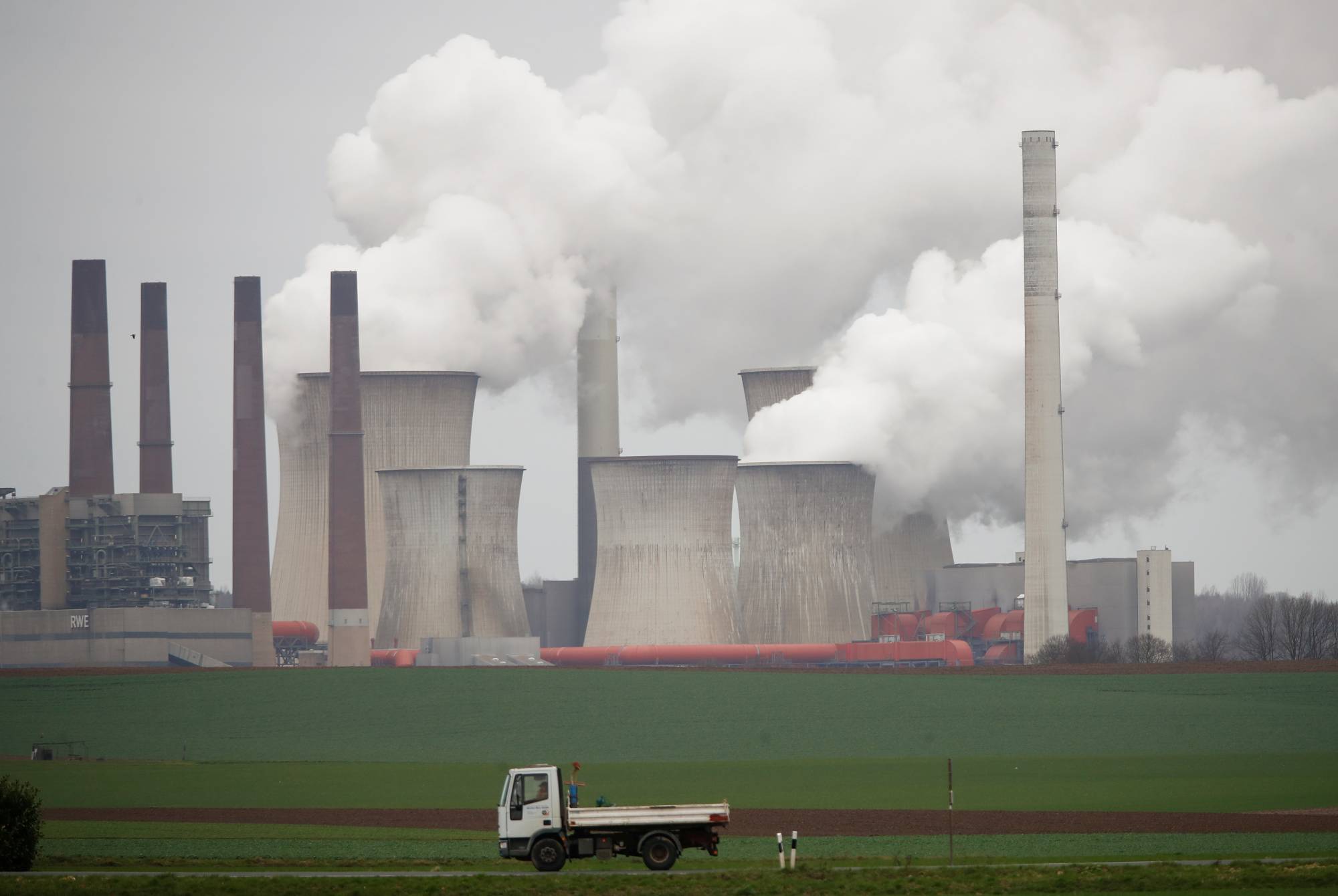
Given these limitations, pragmatism dictates focusing on the biggest polluters. Global carbon dioxide emissions are concentrated among only a handful of countries and regions. China, the U.S., the European Union, Japan and Russia collectively account for 63% of the total, and none of these top polluters is a low-income country anymore. China, the poorest of the group, represents around 30% of all emissions, making it by far the world’s largest current polluter in absolute terms. But its government is taking steps to accelerate the transition to green energy — a winning strategy, given the country’s abundance of rare earth metals.
KEYWORDS
In a time of both misinformation and too much information, quality journalism is more crucial than ever.
By subscribing, you can help us get the story right.
With your current subscription plan you can comment on stories. However, before writing your first comment, please create a display name in the Profile section of your subscriber account page.