


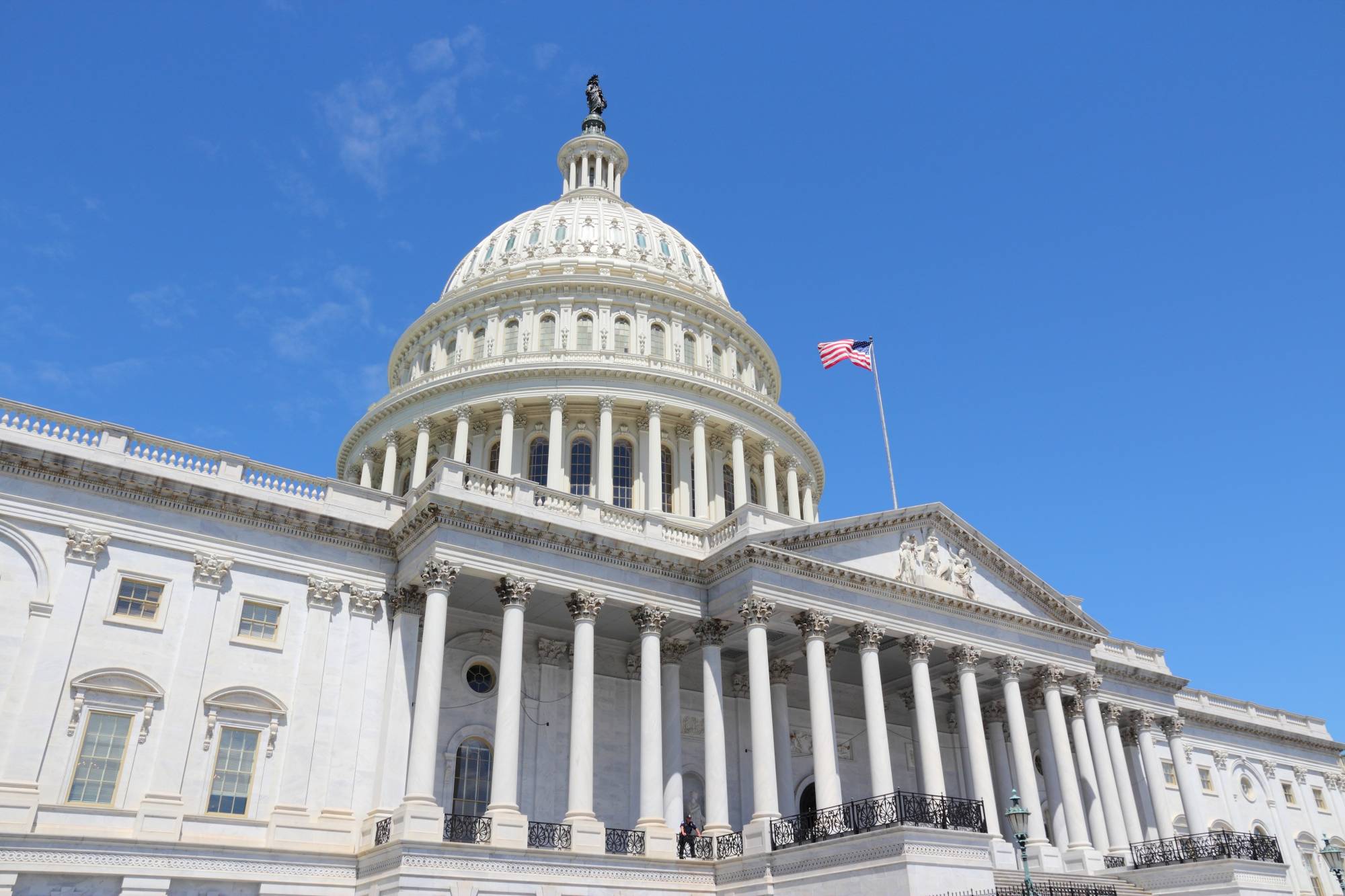
The United States is once again facing the prospect of defaulting on its debt.
This financial irresponsibility is inexplicable. The center of the global financial system must pay its bills. A default would be an extraordinary blow to U.S. power and prestige. It would undermine the faith in the U.S. dollar that is the cornerstone of America’s international status and do great damage to its national security. It would do great harm to other countries as well. It can all be avoided. It must be.
The U.S. has run up a national debt of $31 trillion, about 129% of its gross domestic product. Staggering though that sum is, it has fallen from the peak of 132.4%, reached in March 2021. That sum is not unsustainable; the International Monetary Fund estimates Japan’s national debt to be 264% of GDP and there is little concern about it.
The problem is that a legislative quirk limits the U.S. debt ceiling — the amount of money the government is authorized to borrow to pay its debts. According to Janet Yellen, the secretary of the Treasury, the U.S. government will hit the current debt ceiling on June 1. If it is not lifted, the U.S. government will run out of money and be unable to pay its bills, defaulting on its obligations. (Yellen concedes that the deadline is an estimate as the exact date is determined by spending and revenues that fluctuate daily; she is “almost certain” a default will occur in early June without some action.)
The ceiling can be raised if Congress votes to authorize issuance of new debt. This has been the norm whenever a crunch was anticipated. There were over 90 such votes in the 20th century. Renewed authorization has been virtually automatic.
KEYWORDS

In a time of both misinformation and too much information, quality journalism is more crucial than ever.
By subscribing, you can help us get the story right.
With your current subscription plan you can comment on stories. However, before writing your first comment, please create a display name in the Profile section of your subscriber account page.