


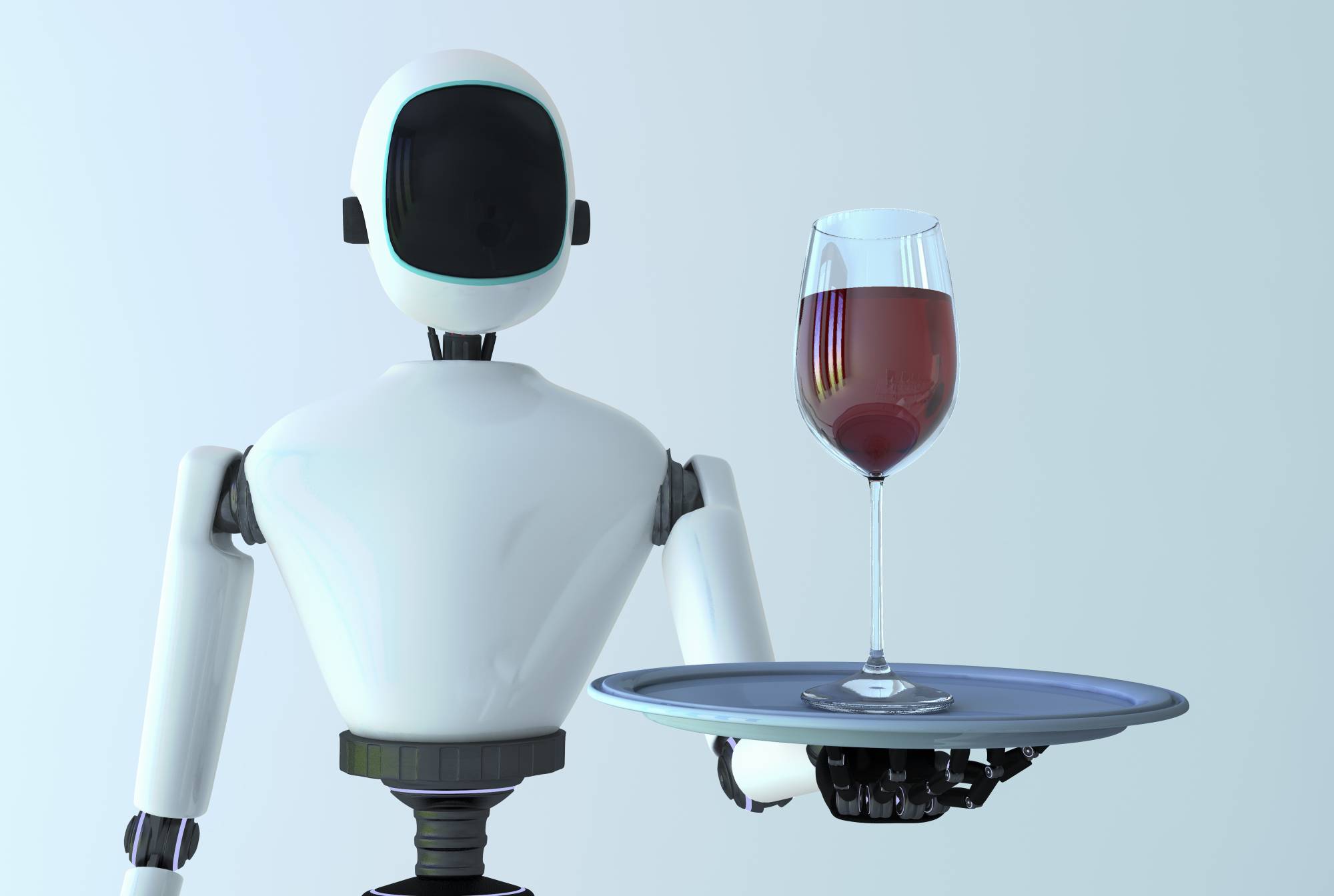
I don’t know if you’ve heard, but the robots are coming.
Tesla Inc. has one with opposable thumbs called Optimus, and other startups like California-based Figure and Norway’s 1X are building walking machines with torsos and arms that can stack warehouses goods. But to be truly useful in their first years of labor, many of these robots will need to be steered by humans, posing a unique challenge around privacy and marketing for their makers.
Take Alfie. It’s the prototype of London startup Prosper Robotics and looks like a Minecraft character made real: slightly taller than a grown man, bulky and gliding slowly around on wheels. It is also steered by a team of gamers in the Philippines, who wear virtual reality headsets throughout the day to control its movements.
At Prosper’s office, machines whir in the background of its brightly-lit warehouse brimming with printed circuit boards, wires and plastic drawers. Five large robots in vivid colors move slowly around the room, some manipulating objects as part of their training or going through “obstacle courses” in a mock kitchen. An orange robot at the back takes an empty juice bottle and drops it over and over into a garbage can. Another yellow bot is tinkering with a plastic box of Tupperware.
Do these things enough times and the robots will learn how to open a box or fold a towel. The paradox of AI is that while it can write humanlike essays, machines can still barely walk or pick up a cup. Why? Because while the models powering ChatGPT have been trained on billions of words on the public internet, there is no similar data to help them copy our biomechanical movements.
In a time of both misinformation and too much information, quality journalism is more crucial than ever.
By subscribing, you can help us get the story right.
With your current subscription plan you can comment on stories. However, before writing your first comment, please create a display name in the Profile section of your subscriber account page.