


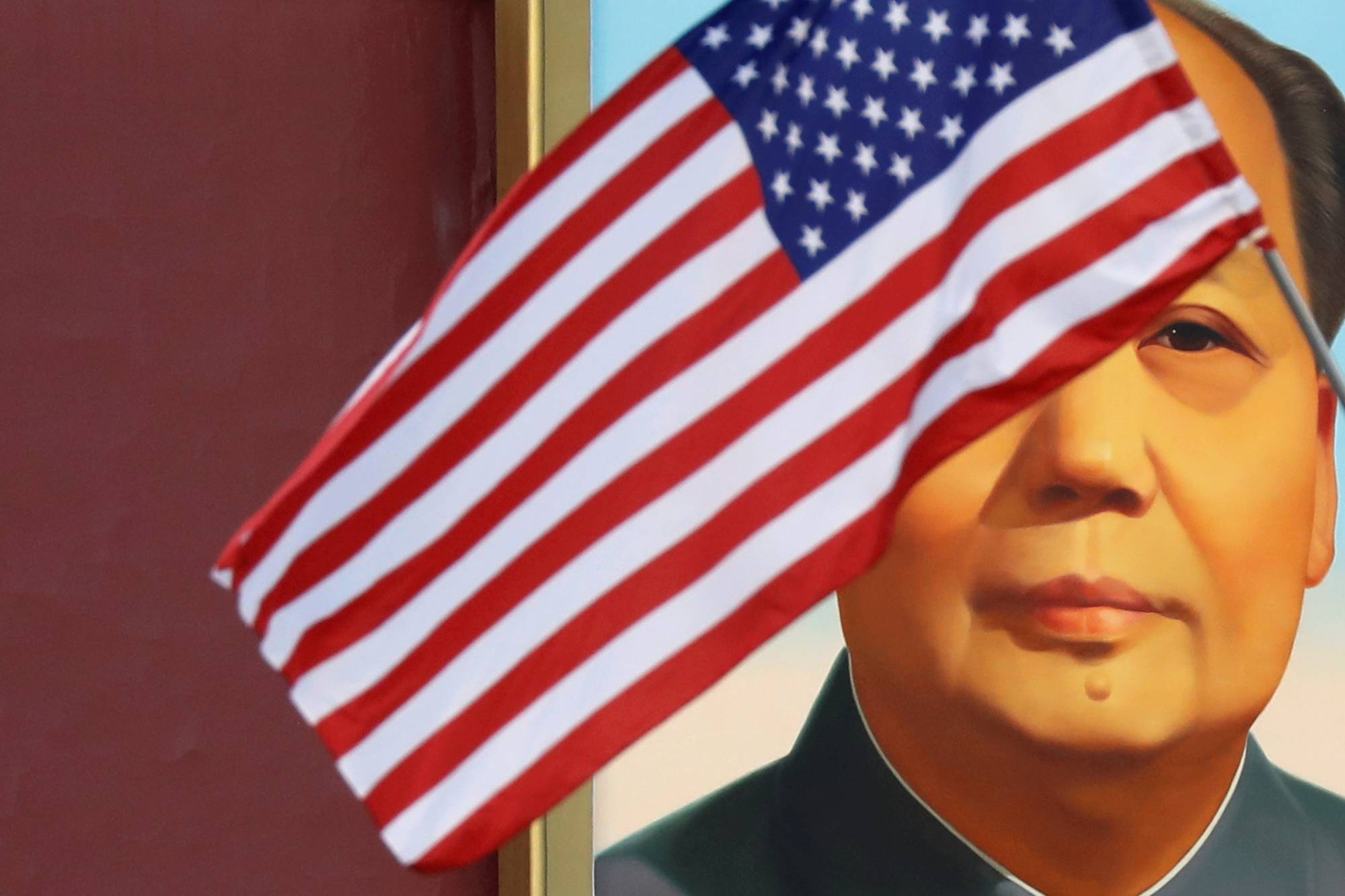
Deep mistrust, dysfunction and dissonance characterize the current U.S.-China relationship.
This is bad news as a negative spiral in relations has the potential to intentionally or unintentionally descend into a kinetic conflict that could have consequential ramifications for Japan and the broader Indo-Pacific region.
U.S. Secretary of State Anthony Blinken’s recent visit to China is an important first step to re-establishing dialogue between Washington and Beijing to decrease the chances of a conflict breaking out.
Beijing’s mistrust stems from a perennial insecurity about guaranteeing the longevity of the ruling regime. For leaders in China, they see the U.S. and Western countries’ intentions through the lens of transforming their country into a democracy by the same process U.S. Secretary of State John Foster Dulles advocated for transforming the Soviet Union, which was referred to as “Peaceful Evolution.”
As Sulmaan Wasif Khan writes in his book, “Haunted by Chaos: China’s Grand Strategy from Mao Zedong to Xi Jinping,” that since the Chinese Communist Party (CCP) came into power in 1949 they have navigated what leaders in Beijing understand as a hostile world by leveraging all elements of national power to consolidate their revolutionary government and fragile state.
KEYWORDS
In a time of both misinformation and too much information, quality journalism is more crucial than ever.
By subscribing, you can help us get the story right.
With your current subscription plan you can comment on stories. However, before writing your first comment, please create a display name in the Profile section of your subscriber account page.