


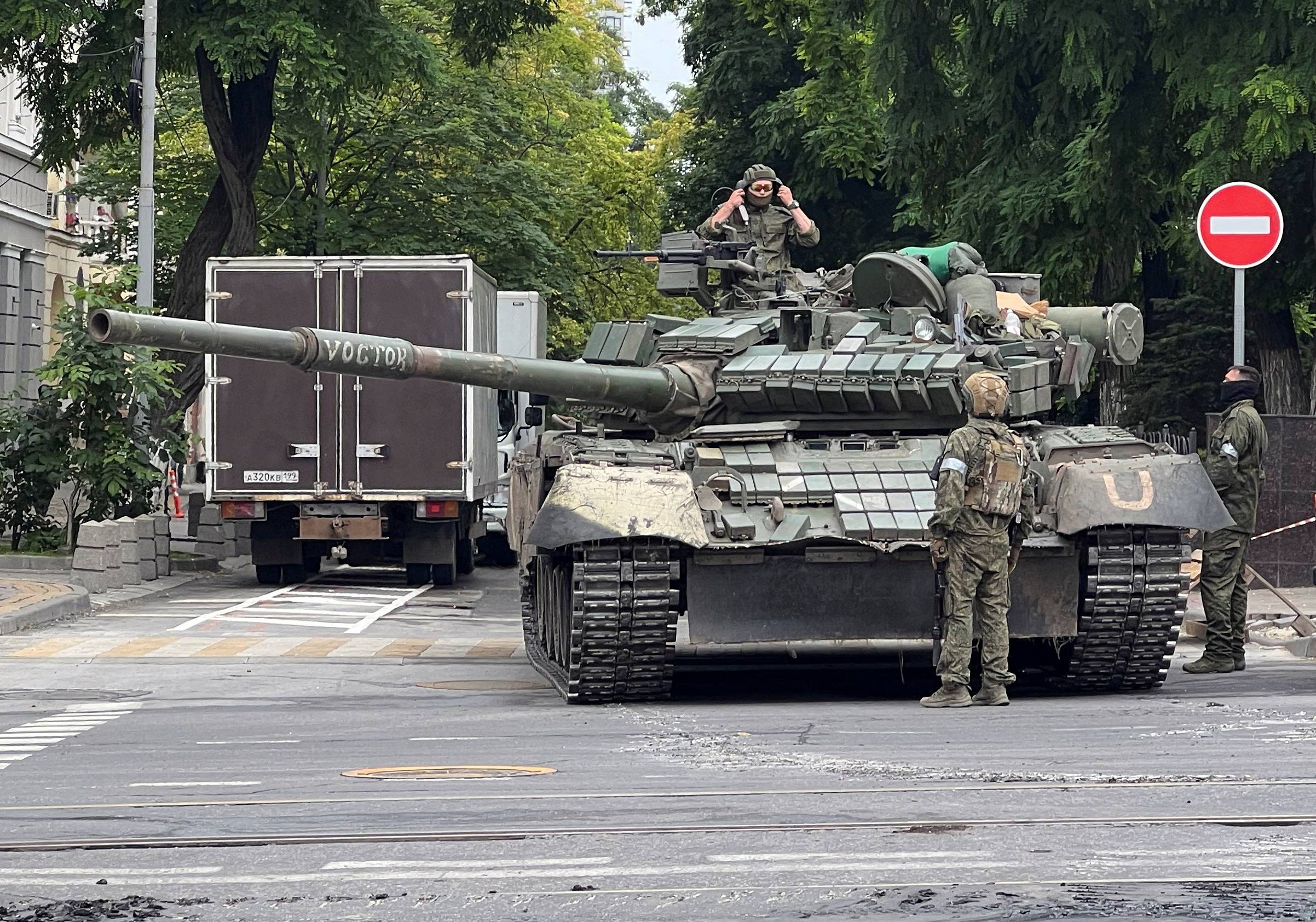
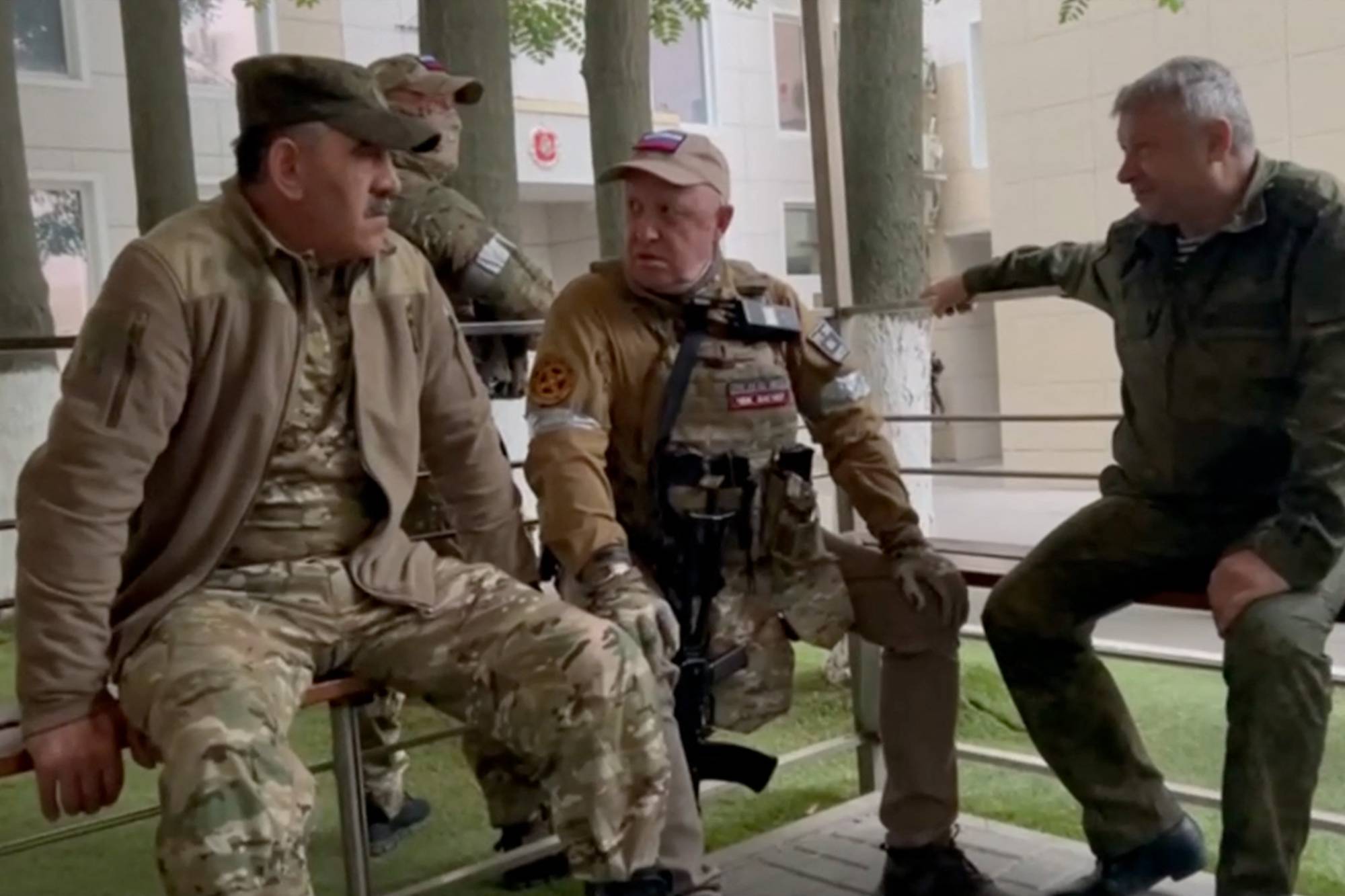
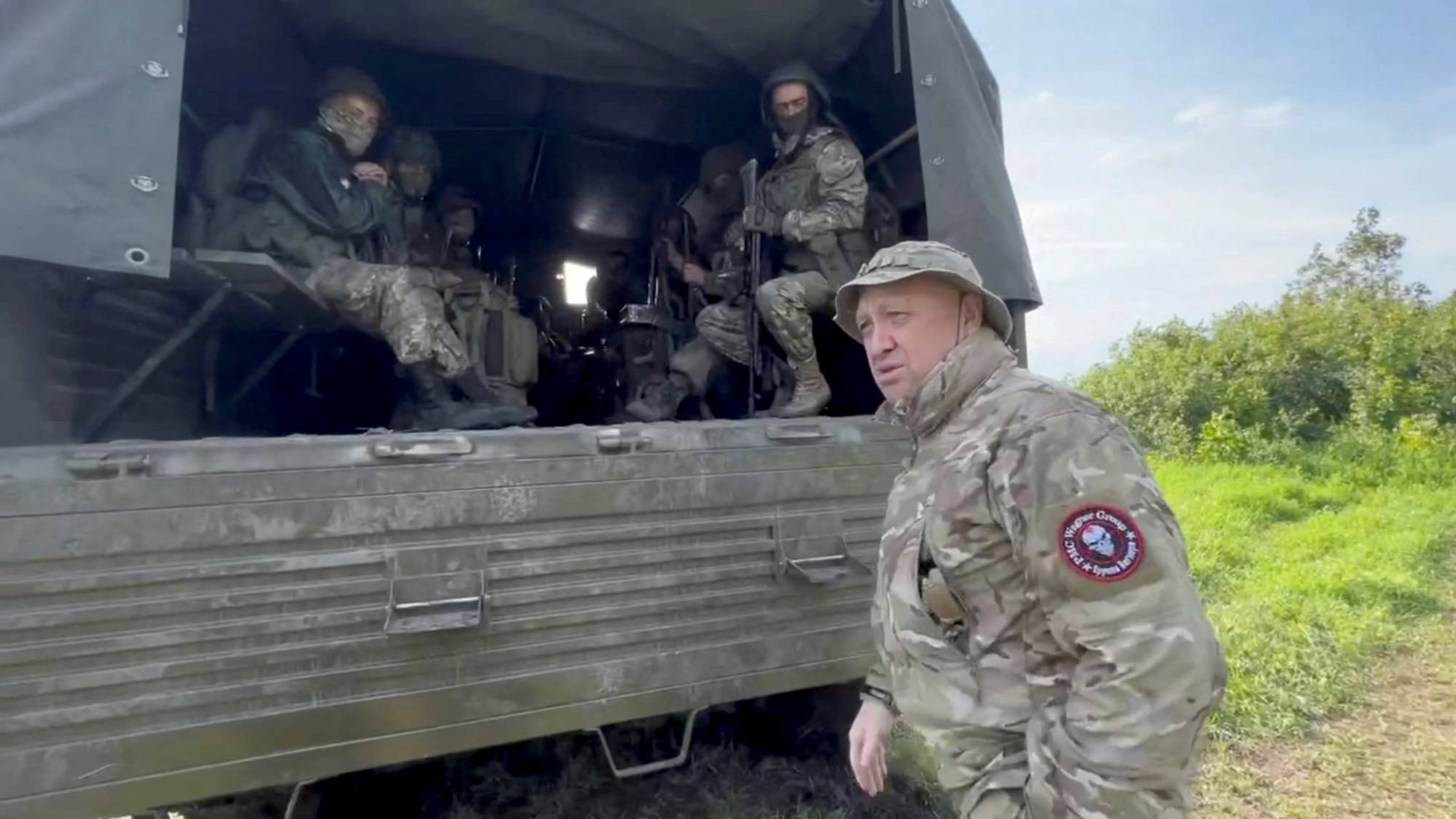
OXFORD, England – The turmoil in Russia unleashed by Yevgeny Prigozhin’s Wagner Group has drawn rapt attention in capitals throughout the world, but probably nowhere more so than in Beijing.
The reason is not only that Russia is a trusted partner for China, but also that there are clear historical parallels between Russia this insurrectionary weekend and events a century ago that weakened China and left it vulnerable to invasion.
Today, Russia runs the risk of being split between four or five factions, each with its own army. Aside from the Russian Army and the Wagner Group, there are smaller forces under the control of the mayor of Moscow, the local militarist Ramzan Kadyrov in Chechnya and a National Guard officially under President Vladimir Putin’s command but outside the chain of command of the Russian Army. Various other armed forces protect the private business interests of a select group of Russian oligarchs.
A hundred years ago, it was China that was split between “warlords.” The collective memory of that period is one reason why China’s leaders are determined to keep military force firmly under the ruling Communist Party’s control.
In 1911, an unplanned revolutionary alliance ousted China’s last emperor, a five-year-old boy, and declared the establishment of Asia’s first republic. Yet the new state was extremely unstable. Its constitutional president, Sun Yat-sen, lasted only a few weeks in office before being ousted by Yuan Shikai, a military leader with a massive army loyal to him, not the state.
KEYWORDS
In a time of both misinformation and too much information, quality journalism is more crucial than ever.
By subscribing, you can help us get the story right.
With your current subscription plan you can comment on stories. However, before writing your first comment, please create a display name in the Profile section of your subscriber account page.