


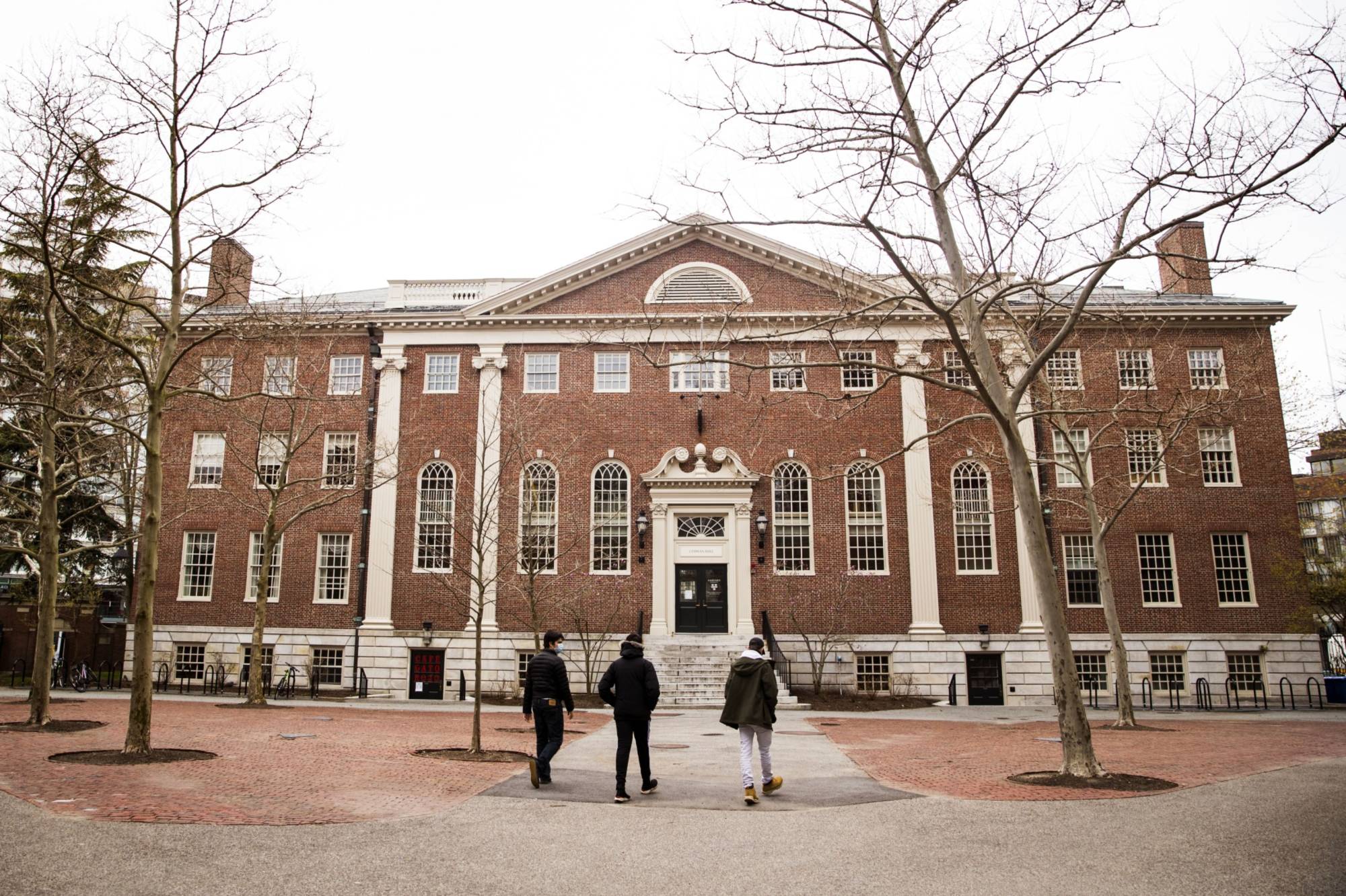
Irony alert: A prominent Harvard Business School researcher who studies dishonesty and unethical behavior has been accused of falsifying data.
Complaints against Francesca Gino cover work that goes back over a decade and renewed criticism of the field of behavioral economics in which she labors. Behavioral economics offers invaluable insight into how we as individuals are hardwired for suboptimal performance; fixing those shortcomings won’t solve big societal problems but it can help us address them better.
Gino has contributed to over 100 academic papers during her career and parlayed that knowledge into consulting work for some of the world’s leading companies. Researchers at Data Colada blog, which examines evidence in behavioral science studies, looked at the data in one of her studies — it assessed the impact of signing a “declaration of honesty” at the start, rather than the end, of a tax return — and found that it appeared to have been altered, concluding that there is “evidence of fraud in four academic papers.” They warned that “We believe that many more Gino-authored papers contain fake data. Perhaps dozens.”
The original paper has been retracted and Gino put on administrative leave. She issued a statement acknowledging the claims, assuring that she takes them “seriously and they will be addressed,” but neither denied nor admitted wrongdoing.
The firestorm surrounding Gino’s work has reignited the controversy around behavioral economics that has periodically sparked over the last 40 years. Behavioral economics challenges foundational assumptions of the field, such as rational actors and perfect knowledge, which tends to make folks upset.
KEYWORDS
In a time of both misinformation and too much information, quality journalism is more crucial than ever.
By subscribing, you can help us get the story right.
With your current subscription plan you can comment on stories. However, before writing your first comment, please create a display name in the Profile section of your subscriber account page.