


You can learn a lot about the climates we live in by the buildings we construct.
The steep roofs of Thai temples and Norwegian stave churches are clues to the heavy loads of rain and snow that fall in those countries, which threaten to damage a structure if they don’t slide quickly to the ground. The traditional mud brick architecture of Africa’s Sahel is a marker of an arid environment with hot days and cool nights, where thick adobe walls can keep the interior cooler than the outside air.
That parsimonious approach — adding only the features that are necessary for us to thrive in local conditions — applies across the world and throughout history. We’ve built our civilization on a series of local equilibria, paying the short-term cost of adapting to immediate conditions to avoid the long-term risks from extreme weather. With each tenth of a degree that the planet warms, we are breaking those equilibria.
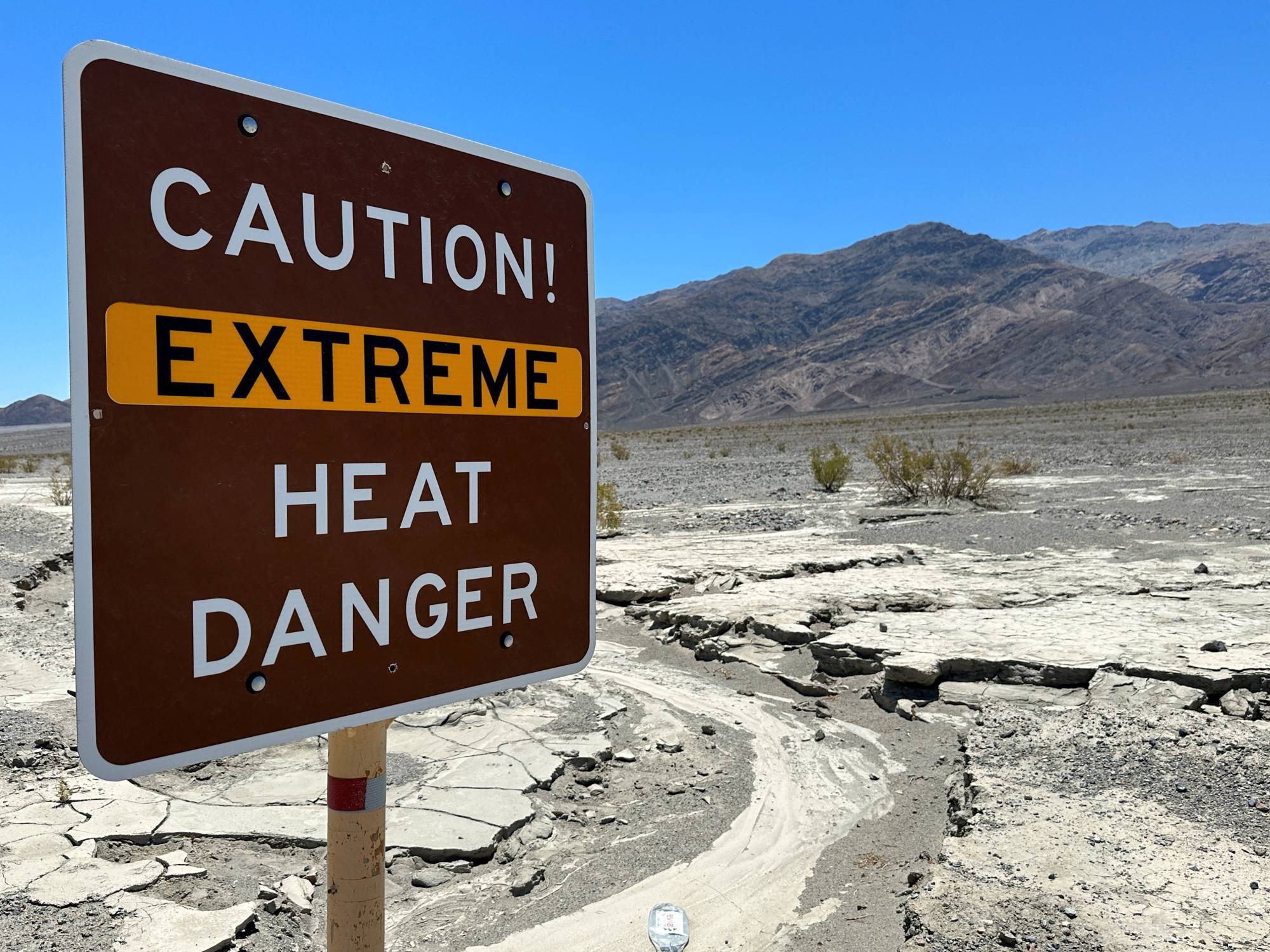
Climate records are falling on a daily basis right now. In Tokyo, which swelters in summer at the best of times, city center temperatures were recently running 9 degrees Celsius (16 degrees Fahrenheit) above the seasonal average, with the mercury rising to 38.8 C (101.8 F) in one northern suburb. In Delhi, 25,000 people were evacuated earlier this month to escape the worst floods in 45 years. Phoenix has seen an unprecedented number of consecutive days of over 43 C (110 F), while temperatures breached 50 C (122 F) in California’s Death Valley and western China’s Xinjiang region and may soon do so in parts of Turkey.
Smoke from Canada’s forest fires recently descended on the north and eastern U.S. for the second time in a month, while Italy was forecast to experience its highest temperatures on record. Waters off the Pacific coast of South America that are already the warmest they’ve been in two decades have helped drive the world to the hottest month since records began. It’s likely the current El Nino — the multiyear climate cycle that tends to bring hotter conditions to the places where most people live — will persist into next year and possibly worsen.
KEYWORDS
In a time of both misinformation and too much information, quality journalism is more crucial than ever.
By subscribing, you can help us get the story right.
With your current subscription plan you can comment on stories. However, before writing your first comment, please create a display name in the Profile section of your subscriber account page.