


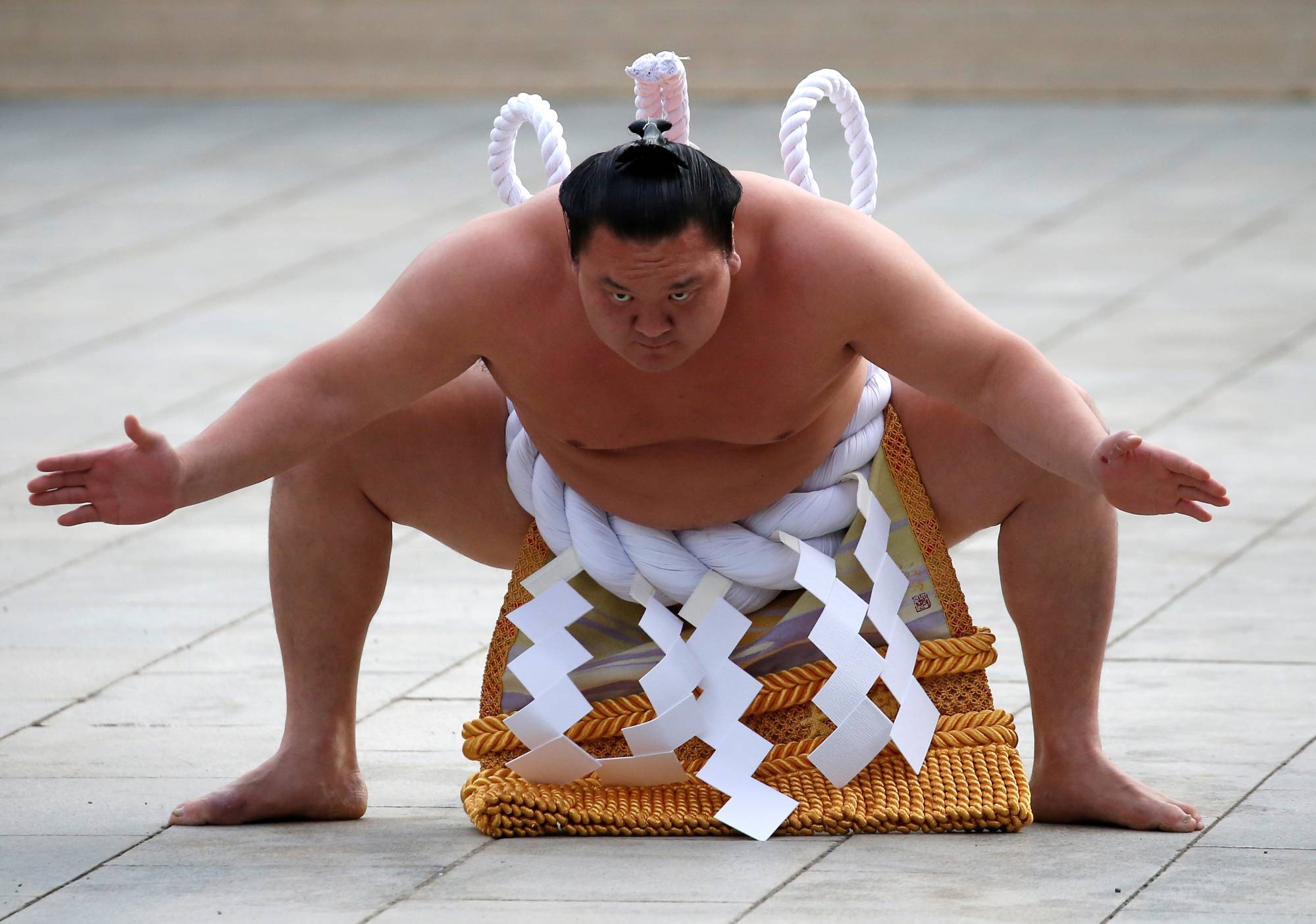
It’s often said that sport, at its heart, is inherently a substitute for war.
In Europe, the animosity that festers from centuries-old conflicts can be felt most viscerally at many of the continent’s various soccer derbies. Whether it’s sectarian hatred flowing down from the terraces whenever Rangers and Celtic meet in Glasgow, or the clashing political and national identities that underpin Spain’s “El Clasico” between Barcelona and Real Madrid, proxy wars take place week in, week out across the continent.
Even the absence of a clear enemy doesn’t prevent sport from being co-opted for jingoistic purposes. The NFL, with its Salute to Service merchandise, patriotic ceremonies and Air Force flyovers funded by the Department of Defense, often feels like a public relations arm of the U.S. military.
Football of course is America’s actual national pastime — in 2018, more people named it as their favorite sport than those that did for baseball, basketball, soccer and ice hockey combined.
Such widespread popularity added to the gladiatorial nature of the gridiron makes football fertile ground for nationalism.
KEYWORDS
In a time of both misinformation and too much information, quality journalism is more crucial than ever.
By subscribing, you can help us get the story right.
With your current subscription plan you can comment on stories. However, before writing your first comment, please create a display name in the Profile section of your subscriber account page.