


Asia Pacific / Science & Health Jan 7, 2023
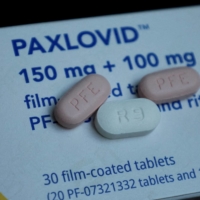
Beijing is in talks with the drugmaker to secure a license that will allow domestic firms to manufacture and distribute a generic version of its Paxlovid antiviral drug.
Beijing is in talks with the drugmaker to secure a license that will allow domestic firms to manufacture and distribute a generic version of its Paxlovid antiviral drug.

No, vaccines aren’t making new COVID-19 variants worse
The omicron sequel XBB.1.5 is driving a new wave of COVID-19 infections — and misinformation.
Cancer vaccine hunt finally makes progress
A small study shows promise in deploying mRNA technology against melanoma — but fighting tumors is vastly more complex than tackling COVID-19.
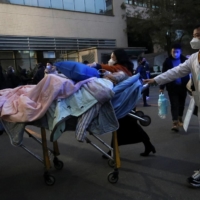
How China’s ‘zero-COVID’ reversal is playing out on the ground
The change has brought an explosive surge of infections, drug shortages, and confusion and frustration among the population.
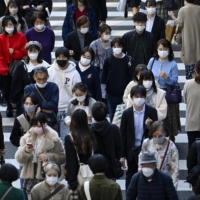
Return to a maskless world still fantasy for Japan
Some feel that much of the motivation for wearing face coverings now simply comes from wanting to fit in with the crowd with "appropriate behavior."
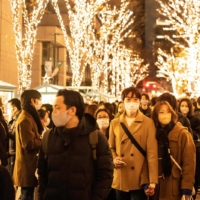
COVID-19 cases on the rise as Japan enters the holiday season
JTB estimates that about 21 million people will travel domestically, up 16.7% from the previous year.
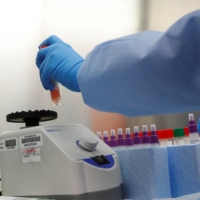
Japan medical bodies aim to develop tailored drugs to treat rare diseases
Japanese researchers plan to develop tailored drugs and treatments for patients with extremely rare diseases.
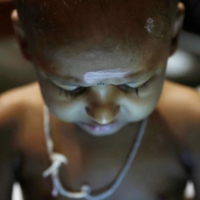
Hospitals across Sri Lanka are struggling to contend with severe drug shortages, which have worsened over the last eight months amid an economic crisis.
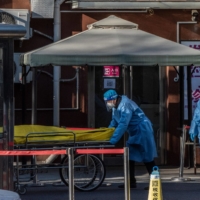
U.S. scales back pandemic response even as China's COVID surge raises alarm
The shift, driven by congressional penny-pinching, marks a political, economic and public health gamble.
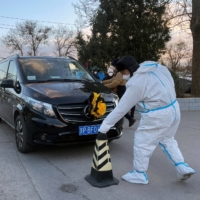
How accurate are China's COVID-19 death numbers?
The country's classification system has raised concerns among experts and the public.

Some hope the new treatment option could help to reduce the stigma HIV patients suffer, particularly gay men.
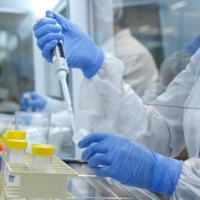
Another Crispr first: New treatment wipes out teen's cancer
Next-generation Crispr gene-editing was used to create a therapy that attacked a 13-year-old's stubborn leukemia.