


National / Science & Health Sep 24, 2022
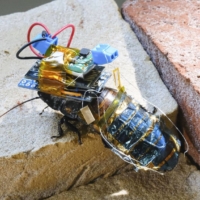
The team hopes the study will contribute to the practical use of cyborg insects, including the ability to search for survivors trapped in rubble or to collect data in hazardous zones.
The team hopes the study will contribute to the practical use of cyborg insects, including the ability to search for survivors trapped in rubble or to collect data in hazardous zones.
Japan study shows how to put a crying baby to bed
According to a new study, there may be a science-based technique to prevent the never-ending sleep routine: walking.
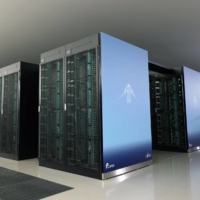
Japan's Fugaku supercomputer goes fully live to aid COVID-19 research
The computer, which can perform over 442 quadrillion computations per second, was originally scheduled to start operating fully in the fiscal year from April.

Japan's Fugaku supercomputer is tackling some of the world's biggest problems
The world's fastest supercomputer, Fugaku is tasked with challenges such as modeling climate change and helping to manage carbon emissions.

Fugaku performed over 442 quadrillion computations per second, around three times faster than the Summit system developed by the U.S. Oak Ridge National Laboratory.
Kobe hospital conducts world-first transplant of iPS photoreceptor cells
There are some 30,000 sufferers of pigmentary retinal degeneration in Japan and no known treatment, but Kobe City Eye Hospital is working to change that.

Japan supercomputer finds ways to nix airborne virus at work and on trains
Operating commuter trains with windows open and limiting the number of passengers may help reduce the risk of infection.

Need for speed: Fugaku, Japan's new supercomputer, ranked fastest in world
The supercomputer, named Fugaku after Mount Fuji, also took the top spot in three other categories that measured performance.

Riken institute develops test to detect coronavirus within 30 minutes
The Kanagawa Prefectural Institute of Public Health and the government-affiliated research institute Riken said Thursday that they have developed a technology that can detect the COVID-19 coronavirus in only 10 to 30 minutes. Kanagawa Gov. Yuji Kuroiwa told a news conference the same day that ...

Japan pulls plug on K, once the world's fastest supercomputer, after seven-year run
Engineers were set to pull the plug on Japan's K supercomputer on Friday after seven years of service, during which time it made contributions to research in many fields, including typhoon and torrential rain forecasts and drug development. K's duties will be taken over by ...

Japan's new supercomputer Fugaku to begin operations around 2021
Japan's new supercomputer Fugaku is set to begin operations around 2021 with the country aiming to regain the title of building the world's fastest computer, replacing its current supercomputer K, government-backed research institute Riken said Thursday. The Fugaku, a nickname for Mount Fuji, aims to ...

Eye-opener: Japanese doctor's work with iPS cells puts macular degeneration on notice
Science has Dr. Masayo Takahashi's mother to thank, in a way, for some of the most notable developments in regenerative medicine using stem cells. More than 35 years ago when Takahashi was contemplating which career she would pursue once she graduated from high school in ...