


Commentary / World Nov 30, 2022
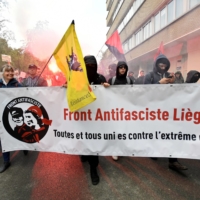
What makes a fascist?
Parties or regimes exhibiting certain features might not be fascist today; but they could become so in predictable ways.
Parties or regimes exhibiting certain features might not be fascist today; but they could become so in predictable ways.

In the grand scheme of things, it is tempting to interpret the far-right’s rage now and on Jan. 6 as a sign that things ultimately are changing for the better as theirs is a losing battle.
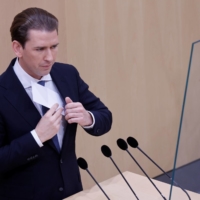
Kurz’s fall is widely seen as having consequences beyond Austria: his approach had been touted as a model for center-right parties across Europe, especially in Germany.
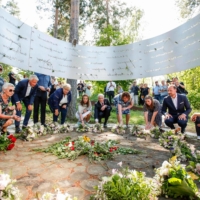
Ultimately, the real problem for many on the far right is liberalism, and particularly the liberation of women from laws and social norms enforcing male domination.

Liberals around the world are daring to hope that there is a silver lining to the violent denouement of Donald Trump’s presidency: namely, that the inciter-in-chief’s ignominious exit from the political stage will chasten authoritarian populists elsewhere. Unfortunately, their optimism is naive. Contrary to the ...

The violent insurrection at the U.S. Capitol, incited by Trump, represents something new and profane in American history.

Historically, plenty of other countries’ transitions from authoritarianism have been characterized by a willingness to leave former power-holders unpunished.

There's a paucity of accurate, practical community-level information about the pandemic.

The choices made by established conservative elites, as much as the challenges posed by insurgent outsiders, determine the fate of democracy.
Instead of describing Europe's new authoritarian leaders as "illiberal" we should be calling them what they really are: "undemocratic."