


Commentary / World Nov 17, 2021
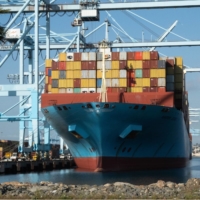
Is the global supply chain blockage here to stay?
Complex global supply networks work efficiently in normal times, but they are not prepared for COVID-19-like shocks.
Complex global supply networks work efficiently in normal times, but they are not prepared for COVID-19-like shocks.
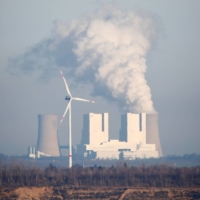
The most eye-opening development of the past three months has not been the COVID-19 pandemic, but the dramatic increase in the frequency and severity of extreme weather.
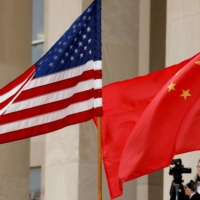
Many in the West disapprove of China’s single-party governance structure, just as vocal elements in China disparage Western liberal democracy, which they argue is in terminal decline.

Businesses that survived the pandemic closures (many with support from fiscal programs) will experience rapid expansion, powered by pent-up demand.

Perhaps no single aspect of the digital revolution has received more attention than the effect of automaton on jobs, work, employment and incomes.

In many ways, the United States is at war against COVID-19. But the existing systems for delivering what is needed to win are weak, fragmented and, especially, uncoordinated.

Extraordinary times call for extraordinary measures. Failing bold action, developing countries could be on track to lose years or even decades of progress in the post-pandemic world.
At the start of a new year and a new decade, it is both humbling and illuminating to reflect on major global developments that no one saw coming just a few decades ago.

A broad economic slowdown should come as no surprise.

With job and income polarization having increased across all developed economies, the unrest in France should serve as a wake-up call to others.