


Business Feb 9, 2022
Persuading markets the BOJ won't pivot is getting harder for its governor
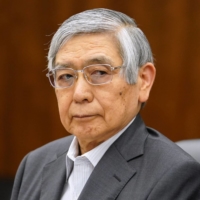
Gov. Haruhiko Kuroda remains the last staunch dove at the world’s biggest central banks outside of China as inflation gathers pace.
Gov. Haruhiko Kuroda remains the last staunch dove at the world’s biggest central banks outside of China as inflation gathers pace.

Many Tokyo-based economists are among those warning that the omicron wave could trigger yet another quarter of negative growth for the world’s third-largest economy.
Hiromi Yamaoka said that while it’s clear Japan’s payment systems need to change, he is totally against the idea of the central bank using a digital yen to gain extra policy leverage.

The slowdown in Tokyo inflation signals just how different Japan is from other major economies where surging consumer prices are pushing central banks to rein in pandemic-era stimulus.
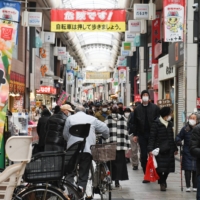
The subdued inflation reading is likely to cool speculation that the BOJ may take steps to adjust policy in light of expected price increases.

Surveyed economists say that in the unlikely scenario the BOJ responds to price pressures or yen weakness, the most likely step would be to adjust its messaging rather than policy.
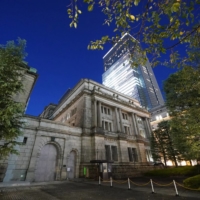
The central bank meets on Jan. 17 and 18, with its quarterly report on prices and growth likely to be the focus of interest.

By taking a stealthier approach than its peers, Japan's central bank has been able to wind back pandemic stimulus without rattling markets.

The BOJ could extend some parts of the program beyond March, while scaling back other areas such as its corporate debt buying, says the former leader of the bank’s pandemic crisis response.

Prices in the capital, excluding those for fresh food, increased 0.3% in November from a year earlier, the internal affairs ministry reported Friday.