



Business Nov 26, 2021
BOJ’s newest board member sees Japan inflation creeping up
Higher energy costs have helped Japan’s key gauge of consumer prices edge up over the last two months for the first time in more than a year.
Higher energy costs have helped Japan’s key gauge of consumer prices edge up over the last two months for the first time in more than a year.

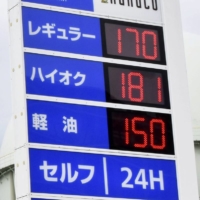
Gasoline prices soared to a seven-year high this month and the government is expecting the tightest power supply in a decade this winter.

Soaring commodity prices amid supply chain bottlenecks and a weaker yen are squeezing many Japanese businesses, which are facing the strongest cost pressure in four decades.

Exports gained at the slowest pace in eight months in October amid global supply constraints, compounding a greater than expected economic contraction last quarter.

Cash handouts and a relaunch of domestic travel subsidies will be considered for inclusion when the package is put together in mid-November.

Sharper production has been falling amid global supply shortages weakening a key pillar of Japan’s recovery and will likely weigh on third quarter growth.
While commodity prices are the main driver of surging costs, there is anecdotal evidence that some businesses are carefully asking households to embrace higher price tags.

The figures from the world’s third-largest economy add to evidence that COVID-19-triggered supply chain bottlenecks are taking a toll on global trade.

The central bank will continue to diversify its goals so it can place less emphasis on achieving its price target, according to a former BOJ executive director.

In places like the U.S. and the U.K., pent-up consumer demand has helped fuel strong recoveries, but whether the floodgates will open quite as wide in Japan is an open question.