


Commentary / World Oct 14, 2022
The U.S. midterms and what they may mean for Asia
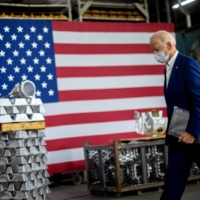
A Democratic Party victory in both houses would probably lead to a foreign policy more focused on Asia compared to the more isolationist-leaning Republican Party.
A Democratic Party victory in both houses would probably lead to a foreign policy more focused on Asia compared to the more isolationist-leaning Republican Party.
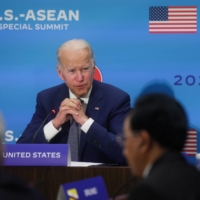
Holding face-to-face meetings with Asian leaders won’t gloss over the shortcomings of any initiatives offered by U.S. trade officials.
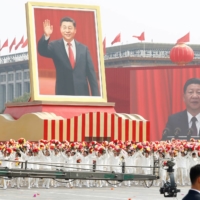
Japan needs to team up with the U.S. and other allies to better understand and counter China’s attempts to influence Southeast Asian nations.

China believes Myanmar' military regime has the best chance of consolidating support for its rule, thereby protecting Beijing’s significant investments and strategic position in the country.

Given the lukewarm responses to calls for increased pressure on Russia so far from most South and Southeast Asian democracies, the West is unlikely to get much support in its efforts.
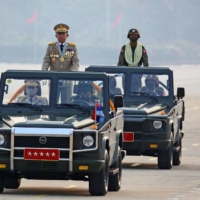
Wherever possible, elected leaders should work to build public support for constitutional changes that dilute the power of militaries.
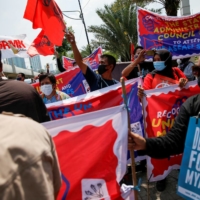
COVID-19 is not the only challenge countries in the region are facing in the coming year.

Biden's summit comes at a challenging time for democracy. The global monitoring organization Freedom House called this year’s report on the state of global freedom “Democracy Under Siege.”
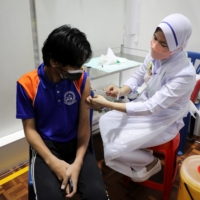
Malaysia has fully vaccinated more than 77% its population, with some 90% of adults — those deemed eligible for the vaccine — receiving a second dose.
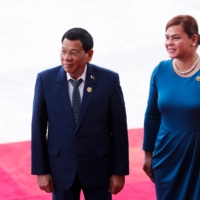
Another top potential contender, Duterte’s daughter Sara Duterte-Carpio, is currently mayor of Davao. She seems to act with the same disregard for the law as her father.