


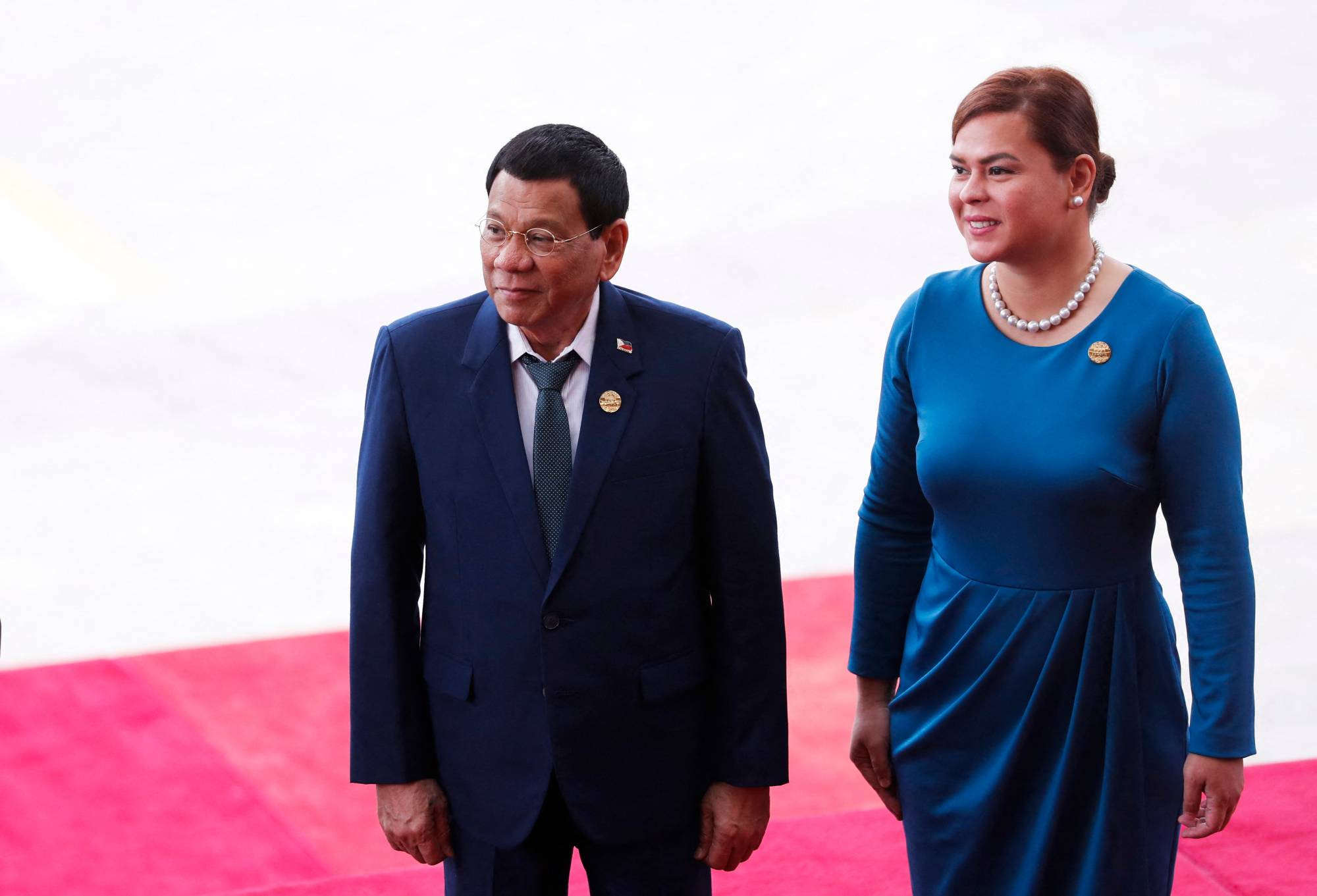
Rodrigo Duterte won the Philippine presidency in 2016 in part because he promised to take on the country’s traditional elites and disregard norms and institutions. The bellicose former mayor of the southern city of Davao appealed to some voters with his transgressive, straightforward and charismatic political style.
He has remained extraordinarily popular in office — a study of Philippine public opinion released in September found three-quarters of the country were satisfied with his performance — as he oversaw a war on drugs that undermined the rule of law. Indeed, the war on drugs has resulted in thousands of extrajudicial killings, according to organizations such as Human Rights Watch.
With Duterte nearing the end of his single six-year term as president as prescribed by the Philippine Constitution, which was crafted after the Marcos dictatorship to prevent another autocrat from serving multiple terms, it’s perhaps unsurprising that many of the contenders to replace him — contenders who could include Duterte himself — are likely to continue the country’s democratic regression. After all, Duterte’s undemocratic and transgressive actions appear to have worked for him, and some of his potential successors are current or former close political allies and, therefore, understand how the combative president built his popularity.
Until recently, Duterte looked as if he was going to try and stay in power himself, seeking to remain de facto president by running for the vice presidency next year on a ticket with one of his political allies. In early September, his PDP-Laban Party nominated him for the vice presidential role. Last week, however, Duterte surprisingly declared he would not run for the post.
But given Duterte’s history of saying one thing and then backtracking on that statement a short time after, he may well seek the vice presidency after all. (Reuters went as far as to say that that “last-minute changes were still possible, as in 2015 when Duterte entered the presidential election race at the eleventh hour.”)
KEYWORDS
In a time of both misinformation and too much information, quality journalism is more crucial than ever.
By subscribing, you can help us get the story right.
With your current subscription plan you can comment on stories. However, before writing your first comment, please create a display name in the Profile section of your subscriber account page.