


Commentary / World Apr 4, 2022
The new art of economic warfare
The severe sanctions that the West has imposed on Russia may be justified to defeat Putin, but they have escalated economic warfare to an unprecedented level.
The severe sanctions that the West has imposed on Russia may be justified to defeat Putin, but they have escalated economic warfare to an unprecedented level.
One of the main reasons for the uneven COVID-19 recovery has more to do with politics than economics as support for aggressive nationalistic trade barriers has grown sharply in recent years.
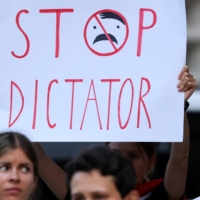
Increased outsourcing of production has contributed to hypernationalism, which in turn is fueling the rise of anti-democratic leaders who exploit people’s desperation.
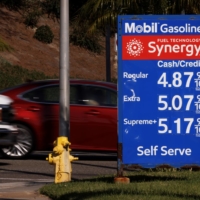
Unlike prior inflation episodes, what is remarkable this time is how different the cross-country experiences have been as governments’ diverse responses have led to varied economic outcomes.
If we want to leave a livable planet to future generations, we must understand why there may be a disjuncture between promises and what is actually delivered to fix climate change.
The bank announced it would discontinue the report after an investigation revealed efforts to manipulate data in order to improve China and Saudi Arabia’s DB rankings.

The average layperson cannot easily tell the difference between good and bad economics, owing not least to the discipline’s broad range of content and methodologies.
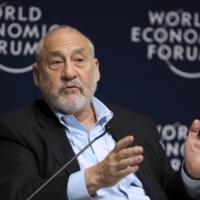
The global economy and capitalism are at a crossroads, with the COVID-19 being the primary impetus for this view, followed by climate change, digital technology and changing labor markets.
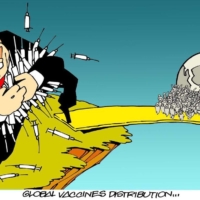
At the global level, the International Monetary Fund has warned of a “great divergence,” whereby rich countries recover strongly while others flounder.
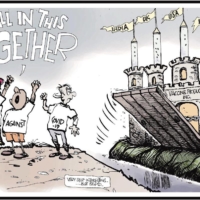
More than 1 billion COVID-19 vaccine doses have now been administered worldwide, but vast disparities remain.