


Commentary / Japan May 24, 2023
Why a snap election might be looming for Japan
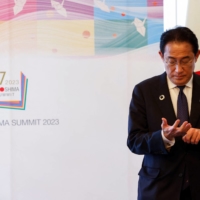
Kishida has denied that he is considering a snap election; but then again, so does every Japanese prime minister when asked about the timing for such a vote.

For Michael MacArthur Bosack's latest contributions to The Japan Times, see below:
Kishida has denied that he is considering a snap election; but then again, so does every Japanese prime minister when asked about the timing for such a vote.
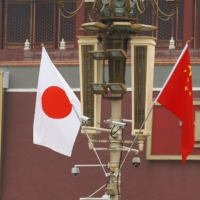
In a dire situation with great danger and/or worsening conditions, the Japan-China hotline is important because nobody wants to figure out who to call or have to search for the right number.
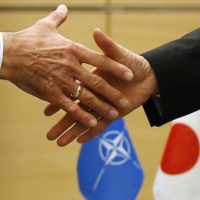
Russia’s war in Ukraine and regional Chinese aggression have accelerated the maturation of the Japan-NATO relationship, but the wheels were set in motion following the fall of the Soviet Union.

The ruling LDP and its junior coalition partner saw most of their candidates succeed across the country in Sunday's unified elections. The exception is where Nippon Ishin no Kai surged.

While the incident occurred without the same tragic consequences of the assassination of Shinzo Abe last year, the shocking event leaves many unanswered questions.
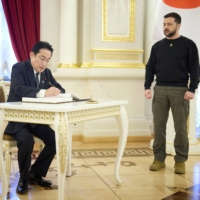
Prime Minister Fumio Kishida has effectively paved the way for future Japanese leaders to demonstrate Japanese leadership abroad with his visit to Ukraine.

How does the SDF balance between posturing for the combat operations of tomorrow and the disaster relief missions of today?
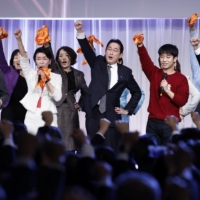
Lucky for Prime Minister Kishida, the Japanese public does not see a viable alternative to the LDP for running the government.
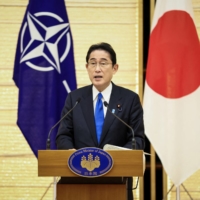
Kishida's polling numbers remain in the “caution area,” and there seems to be little opportunity for him to turn things around before local elections in April.
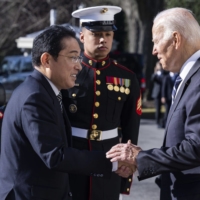
The fact that Japan and the U.S. do not require continuous renegotiation of their standing agreements is an important one, and shows the strength of the alliance.