


Commentary / Japan Aug 11, 2022
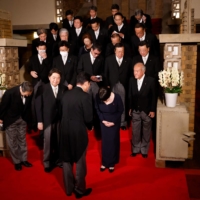
What's behind the key appointments in Kishida’s new ‘unity Cabinet’
Selections have significant implications for what observers should expect from the government over the next year.
Selections have significant implications for what observers should expect from the government over the next year.
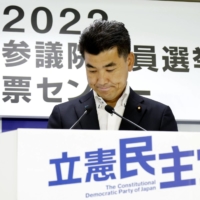
Japan's Upper House election should have been a far more contested vote than it was, but the opposition once again failed to make the right moves.
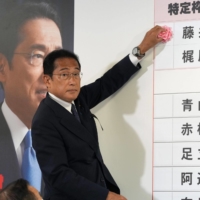
Japanese Prime Minister Fumio Kishida has important choices to make on how he leverages his renewed mandate and extra political capital after the LDP's strong Upper House election showing.
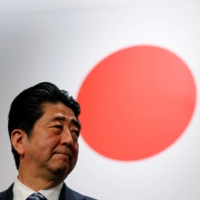
Japan’s longest-serving prime minister wasn’t just any other leader — he was a towering figure whose death has completely changed the nation’s political landscape.
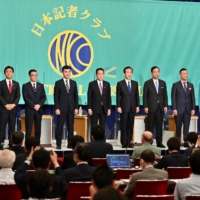
Unseating incumbents is usually difficult, but media outlets and observers are giving opposition parties even less a chance than usual of scoring big wins.
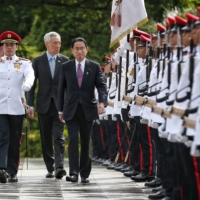
This year, the conference brought back a Japanese prime minister to deliver the keynote address, and Kishida took the opportunity to present his own principles for the country’s security.
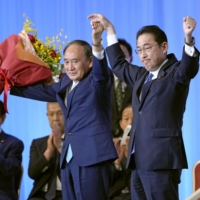
The LDP is enjoying a wide approval margin over the opposition, with nearly a 35-point lead over its nearest competitor, the Constitutional Democratic Party of Japan.
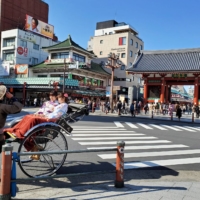
A look at the political forces that have been driving Japan’s draconian stance on incoming tourism for the past two years.
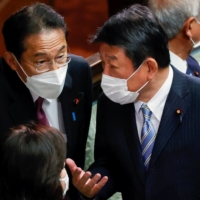
Toshimitsu Motegi has shown competency not only in international relations, but also as the LDP secretary-general, which will serve his political ambitions well.
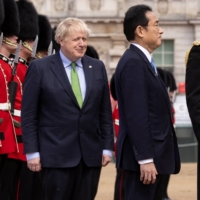
More than just photo opportunities, Kishida's diplomatic engagements were meaningful — some producing major developments in Japan’s bilateral relationships with important partners.