



Reworking fashion

It’s hard to talk about success stories at the moment, especially when in the past couple of weeks Mitsukoshi Ebisu closed up shop, large-scale boutique chain Beams trimmed numerous Tokyo locations from its retail portfolio, and Parco announced that two of its larger stores at Tsudanuma, Chiba Prefecture, and Shintokorozawa, Saitama Prefecture, would be phased out over the coming years.
It is easy to play down the significance of these losses as they are all big household names with strong capital and multiple locations. These fashion spaces, however, do a better job than any form of media, including digital media, in bringing newer, smaller and regional fashion brands to a wider audience. They charge a hefty percentage of sales for the pleasure, but given how willing brands are to pay, it goes to show how valuable these kinds of spaces are.
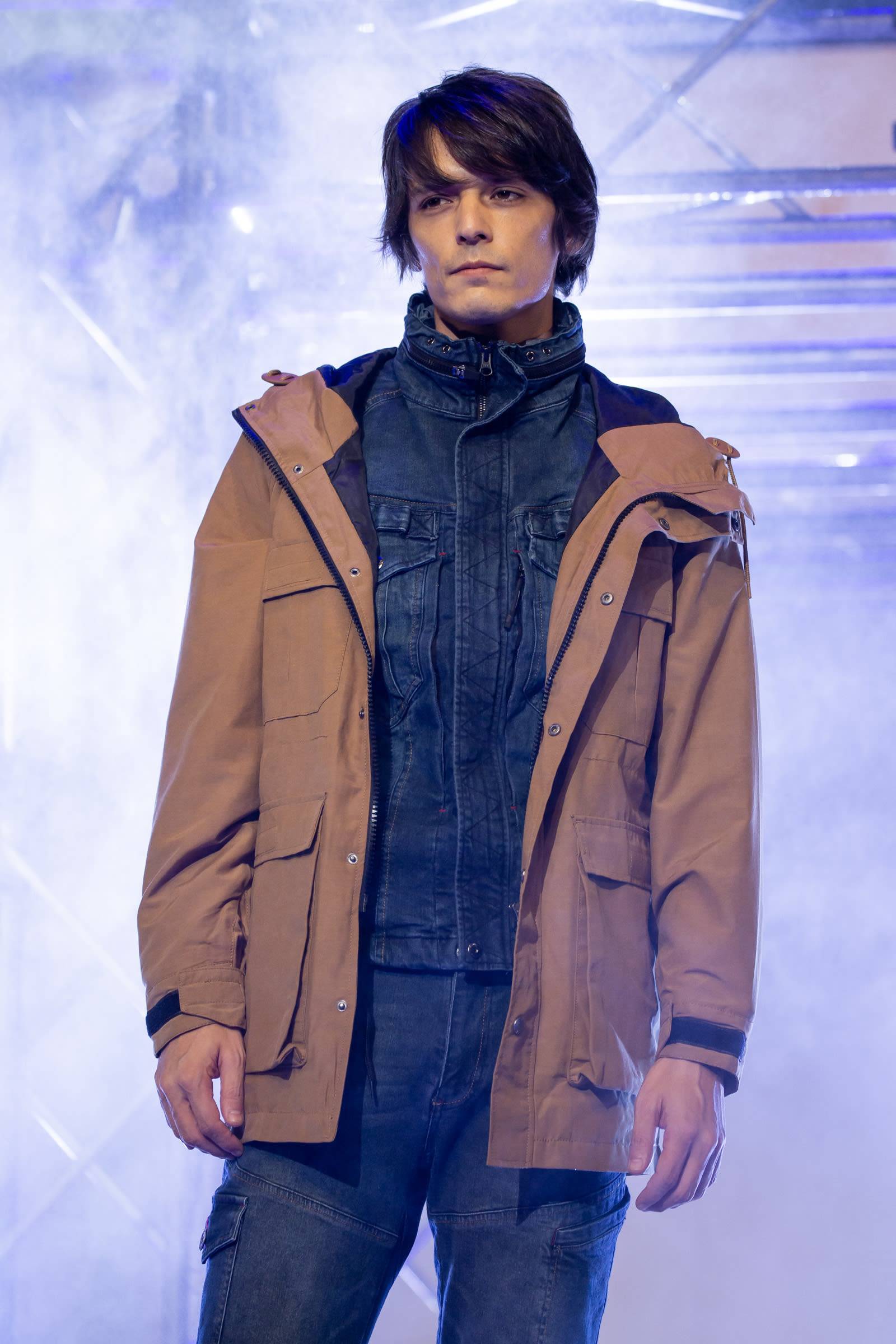
Against this backdrop, it is revealing who is bucking the downward trend. Utility wear brand Workman has been on a rise, actually increasing its total sales over the past fiscal year, and all but maintaining its retail stores sales as well. (There was a drop on direct retail sales by 3.7%, but it’s a small number sure to make other brick-and-mortar stores very jealous.) Its number of total stores shot up from 856 to 902 in the same period, and the brand even made an appearance at Tokyo fashion week last year.
With your current subscription plan you can comment on stories. However, before writing your first comment, please create a display name in the Profile section of your subscriber account page.