


MOSCOW – Some 30 years ago last month, a group of communist hardliners seized control of Moscow and placed Soviet leader Mikhail Gorbachev under house arrest at his holiday home in Crimea.
They opposed Gorbachev’s economic and political reforms — perestroika and glasnost — and sought to topple his government. Within three days, however, the coup imploded. By the end of that year, so had the Soviet Union.
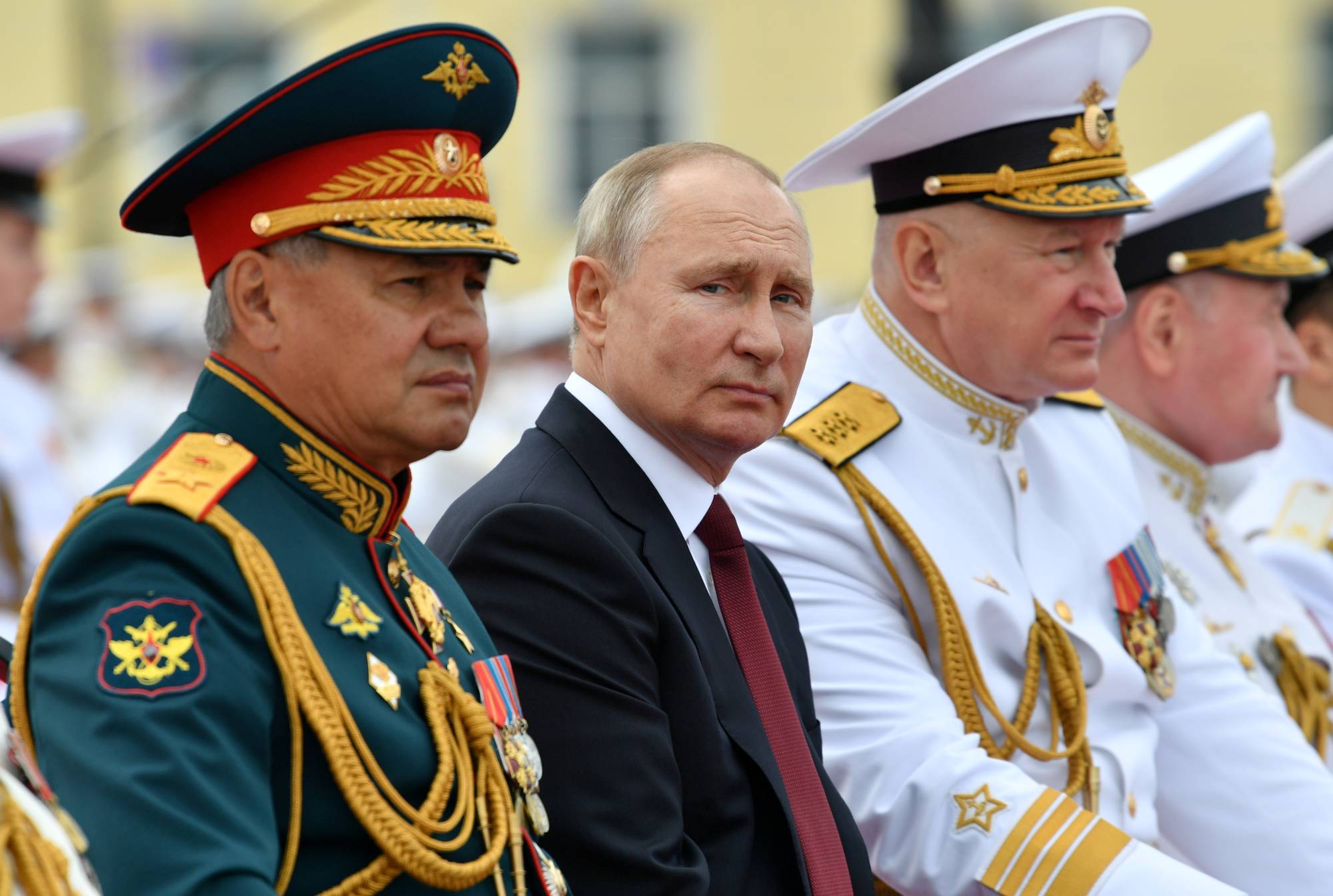
During Russian President Vladimir Putin’s 20 years in power, the meaning of that act of subversion has been inverted. Now, the attempted coup is portrayed as an effort by Russian forces to preserve the state, thwarted by anti-Soviet sentiment.
According to a recent poll, only 50% of Russians remember those uneasy days, when Moscow was taken over by troops in tanks and “Swan Lake” played on a loop on people’s televisions. And with the Kremlin doing nothing to jog their memories, just 7% now think it was “a victory of democracy.”
To be sure, so-called Flag Day — the anniversary of the day the coup was formally defeated and the Russian Federation’s red, white and blue flag replaced the Soviet red — is commemorated every year. But the celebrations are led by liberal parties, human-rights activists and the handful of remaining oppositionists — those seeking to commemorate the fight for a free Russia. Putin has never participated.
KEYWORDS
In a time of both misinformation and too much information, quality journalism is more crucial than ever.
By subscribing, you can help us get the story right.
With your current subscription plan you can comment on stories. However, before writing your first comment, please create a display name in the Profile section of your subscriber account page.