


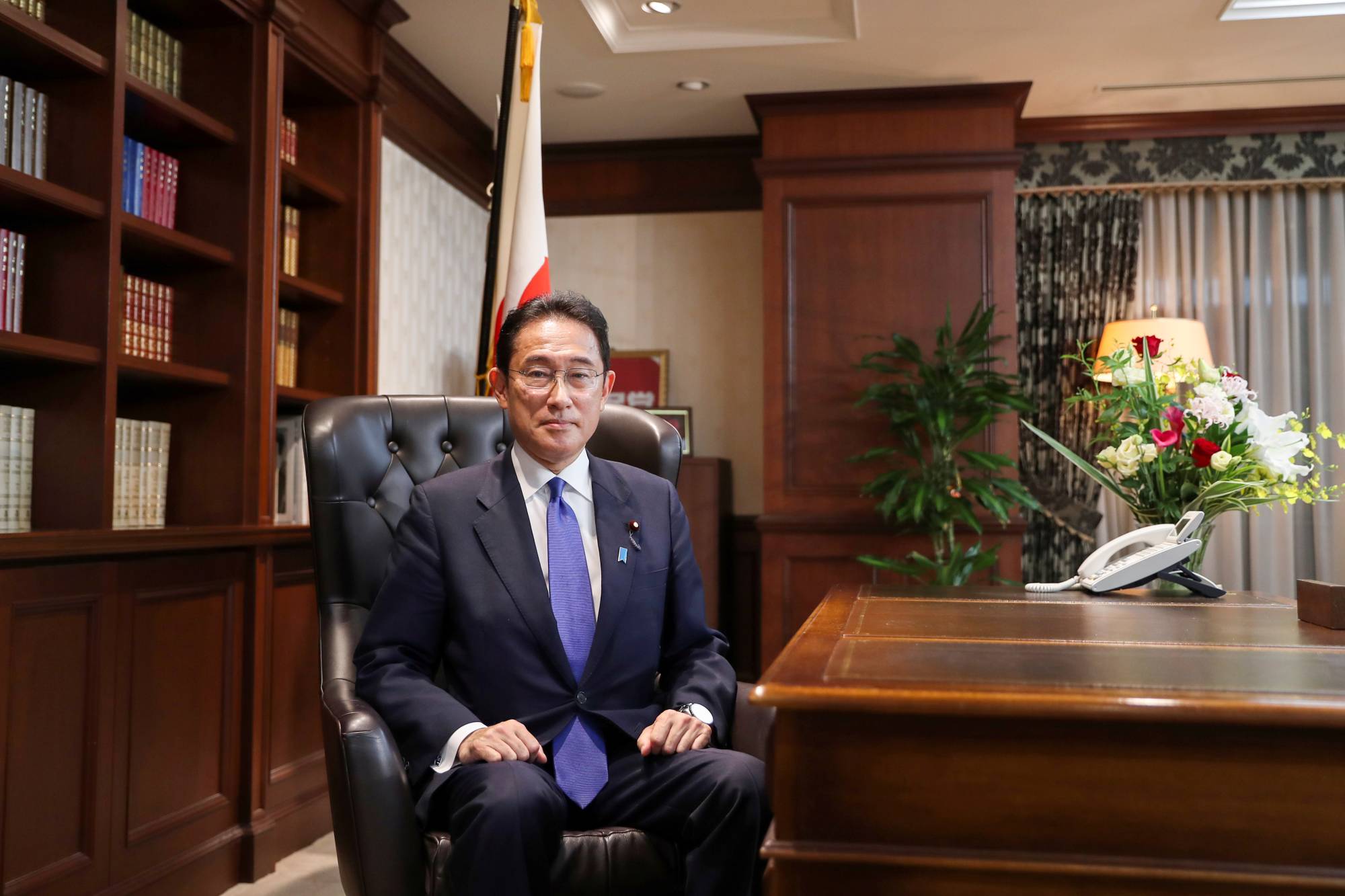
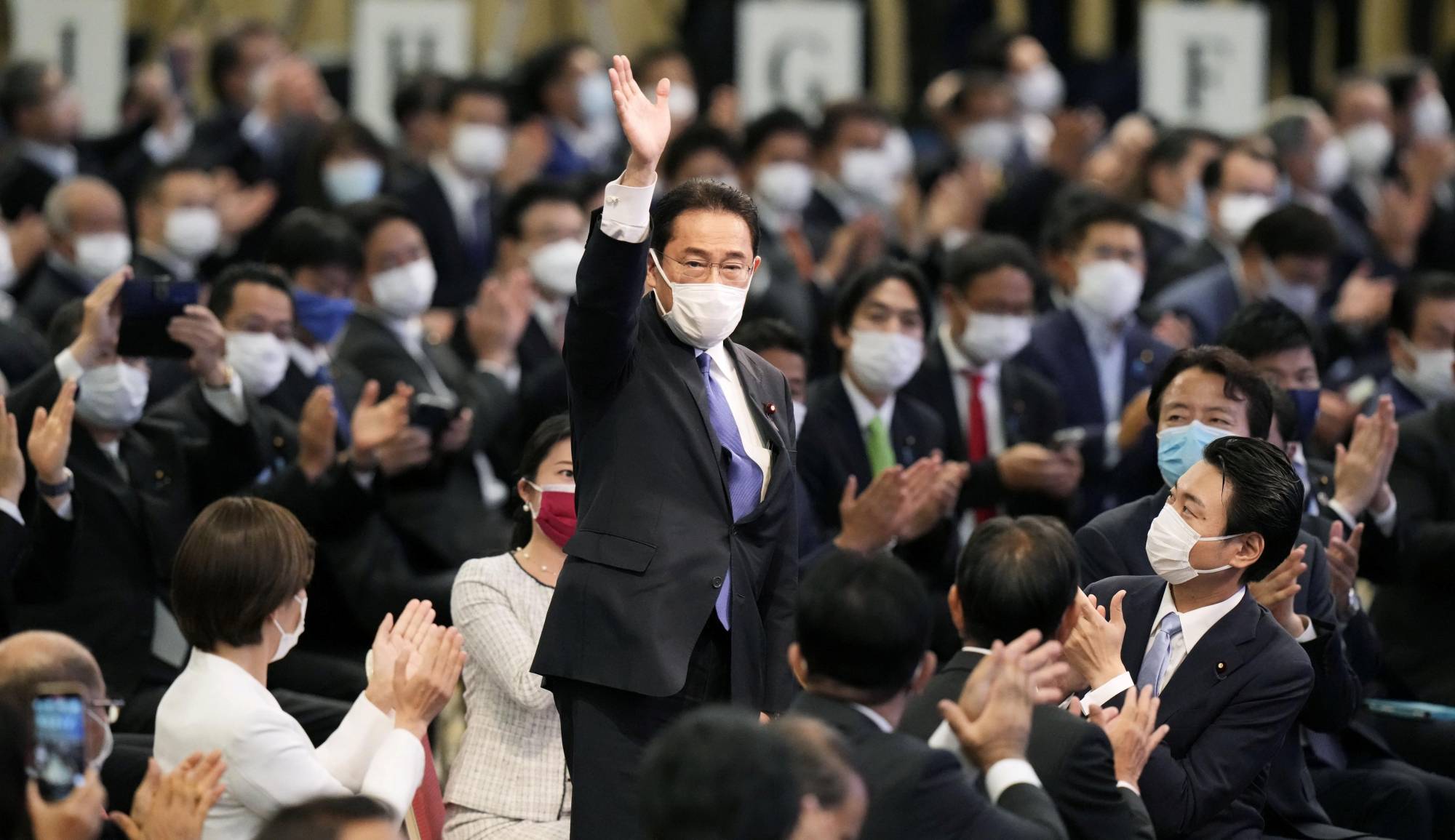
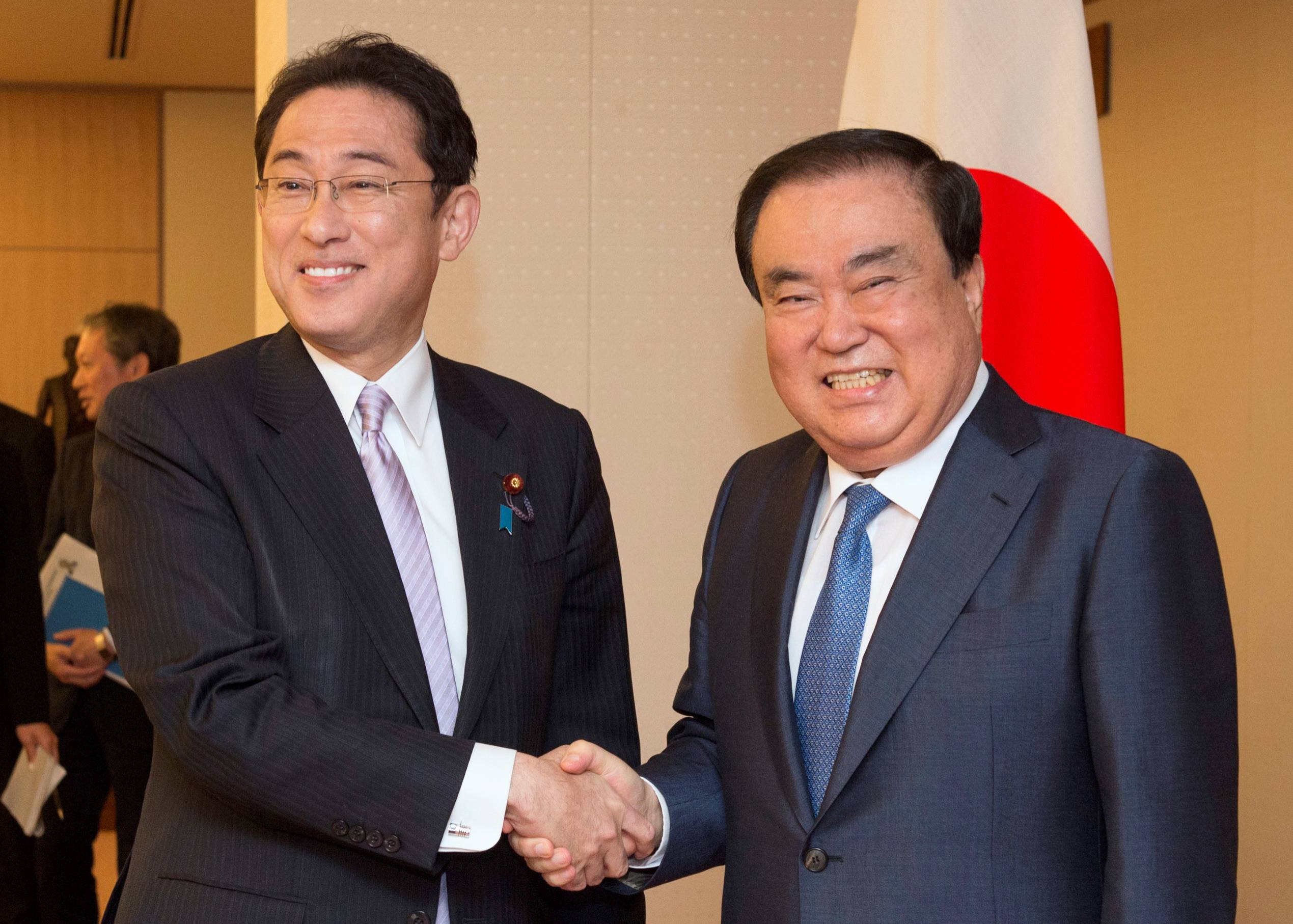
It is official: Former Foreign Minister Fumio Kishida is set to become Japan’s next prime minister. His victory in the Liberal Democratic Party presidential race on Wednesday ended a monthlong whirlwind of backroom deal-making and political intrigue, with the final showdown essentially being a battle among Kishida and the three other opponents. In the end, it was his presence as the conventional LDP candidate that helped him prevail.
Naturally, the world is now wondering what Kishida’s premiership will mean for Japan. Can he deliver on his promises, like better management of the COVID-19 pandemic, building a stronger middle class by shifting away from neoliberal capitalism and strengthening Japan’s position as a key geopolitical player in the so-called age of the U.S.-China cold war? Or will he be just another revolving-door prime minister, especially after his predecessor, Yoshihide Suga, threw in the towel after spending just a year in office?
The answers to these questions depend on the LDP system that produced Kishida’s victory, the immediate challenges he faces, and the sources of power and tools he has available.
What the race revealed about the current state of the LDP
Without a doubt, Kishida won the party election because he represented the LDP’s most traditional and predictable candidate. He played by all the party rules to earn his shot as LDP president. He is a faction head, meaning he leads one of the party’s formal, institutionalized groups. He has refused to publicize his grievances against the party or its other members. Ultimately, the powers that be within the party rewarded him for this.
KEYWORDS
In a time of both misinformation and too much information, quality journalism is more crucial than ever.
By subscribing, you can help us get the story right.
With your current subscription plan you can comment on stories. However, before writing your first comment, please create a display name in the Profile section of your subscriber account page.