


Editorials Sep 17, 2021
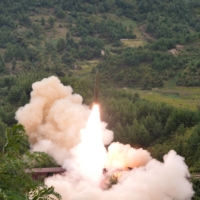
Dealing with North Korea is complicated, and Pyongyang’s decision to close its borders to prevent COVID-19 infection has made intelligence collection even more difficult.
Dealing with North Korea is complicated, and Pyongyang’s decision to close its borders to prevent COVID-19 infection has made intelligence collection even more difficult.
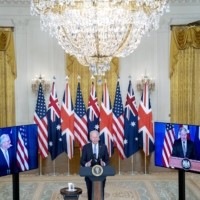
Australia to get U.S. nuclear submarine technology as China looms large
U.S. officials said nuclear propulsion would allow the Australian navy to operate more quietly, for longer periods, and provide deterrence across the Indo-Pacific.
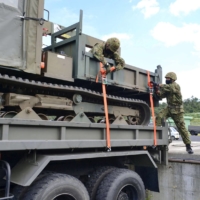
Japan's GSDF begins nationwide drills for first time since Cold War
The exercises will be carried out until the end of November, with the aim of strengthening the ability to defend remote islands amid China's ramped-up regional assertiveness.
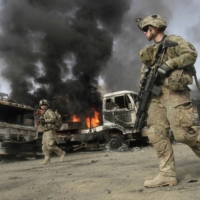
Basic lessons from two decades of conflict in Afghanistan
The resources — financial, human, intellectual — of the world’s richest countries were unable to prevail in the contest for the future of Afghanistan
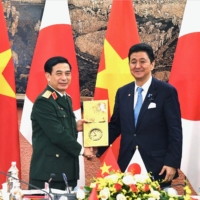
Japan inks deal to export defense assets to Vietnam amid concerns over China
The accord was inked in Hanoi during Defense Minister Nobuo Kishi's first trip overseas after assuming the post last year.
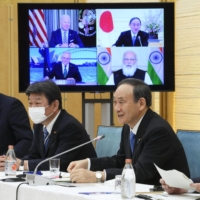
Japan, U.S., Australia and India eye first in-person 'Quad' summit
Suga is seeking to reassure Washington that Tokyo's commitment to the Japan-U.S. alliance will continue after he leaves office.
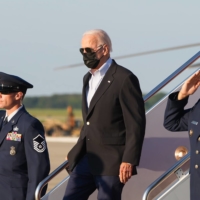
What does Afghanistan reveal about the Biden doctrine?
Has the Biden doctrine arrived in time to counter China’s rise or did the U.S.' two decades of war in Afghanistan leave China with too much of a head start to be stopped?
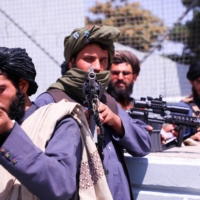
The end of the 'forever war' in Afghanistan will not bring peace
Many in the West who attack Joe Biden’s Afghanistan policy are in fact upset about the return of brutal geopolitical competition.
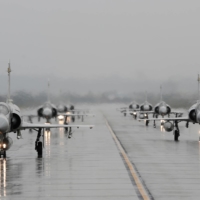
Taiwan scrambles jets amid renewed Chinese military activity
The latest Chinese incursion into Taiwan's air defense identification zone involved 10 J-16 and four Su-30 fighters, as well as four H-6 bombers, which can carry nuclear weapons.
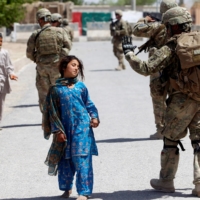
Was the war worth it? The speed with which the Afghan government collapsed certainly suggests that the project to build a durable government failed.
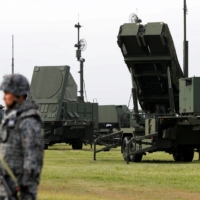
Japan should develop strike capabilities to augment its defense
Placing an enemy's military assets at risk increases the price of any attack on Japan, thereby enhancing deterrence while degrading an opponent’s attempts at coercion.

Japan has no time to waste in boosting its cyberdefenses
The country should look to the U.S. for an example of how to deal with cyberattacks and threats in an effective way.