



Commentary / World Jan 21, 2022
The power and poison of Modern Monetary Theory
by Koichi Hamada
The rigid stances of MMT’s devotees and detractors have not led to productive discussions over its viability.
The power and poison of Modern Monetary Theory
The rigid stances of MMT’s devotees and detractors have not led to productive discussions over its viability.

Many of the big questions for 2022 are related to inflation.
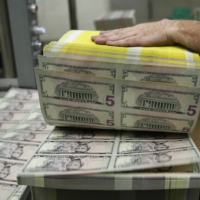
Will closer monetary-fiscal policy coordination lead to fiscal dominance?
As yield curves are already so flattened, central banks may need to rely more on reducing their holdings of government bonds to prevent an inversion of the yield curve.

Rising inflation does not look to be a just a temporary problem, and supply bottlenecks are not the only cause.
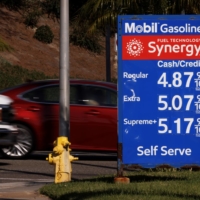
Unlike prior inflation episodes, what is remarkable this time is how different the cross-country experiences have been as governments’ diverse responses have led to varied economic outcomes.

A digital Singapore dollar may be too much of a good thing
Singapore says no to electronic cash not because it may flop, but because it’ll most likely be a hit and could have consequences for the island’s financial stability and monetary policy.

The Fed has risen too far above political control
The problem with the Fed is that the need for stability — and for avoiding market shocks — cuts across the desire to exert more democratic control over the central bank.
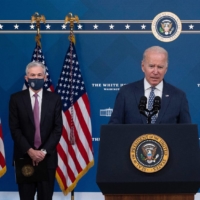

Milton Friedman is more relevant than ever
There are periodic attempts to knock Milton Friedman off his pedestal. For the most part, however, his legacy remains strong.
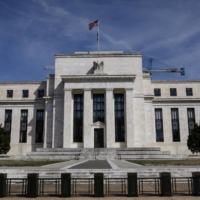
History tells us to worry about inflation
One cannot assume that the near future will be like the recent past. The post-pandemic world will offer a first test of whether low inflation is here to stay.

Bank of Japan policy hurts sustainable finance
An expansion of environmental, social and corporate governance (ESG) investment and a sustainable finance market is essential for Japan’s economy.

Changes afoot in the world of central banking
Further monetary easing may become inevitable for the U.S. Fed to make inflation targeting effective, and for the ECB to justify greater emphasis on the environment.